
Etruscan Travel in Italy
There is something wonderful about an exhibition that makes you want to change your travel plans.
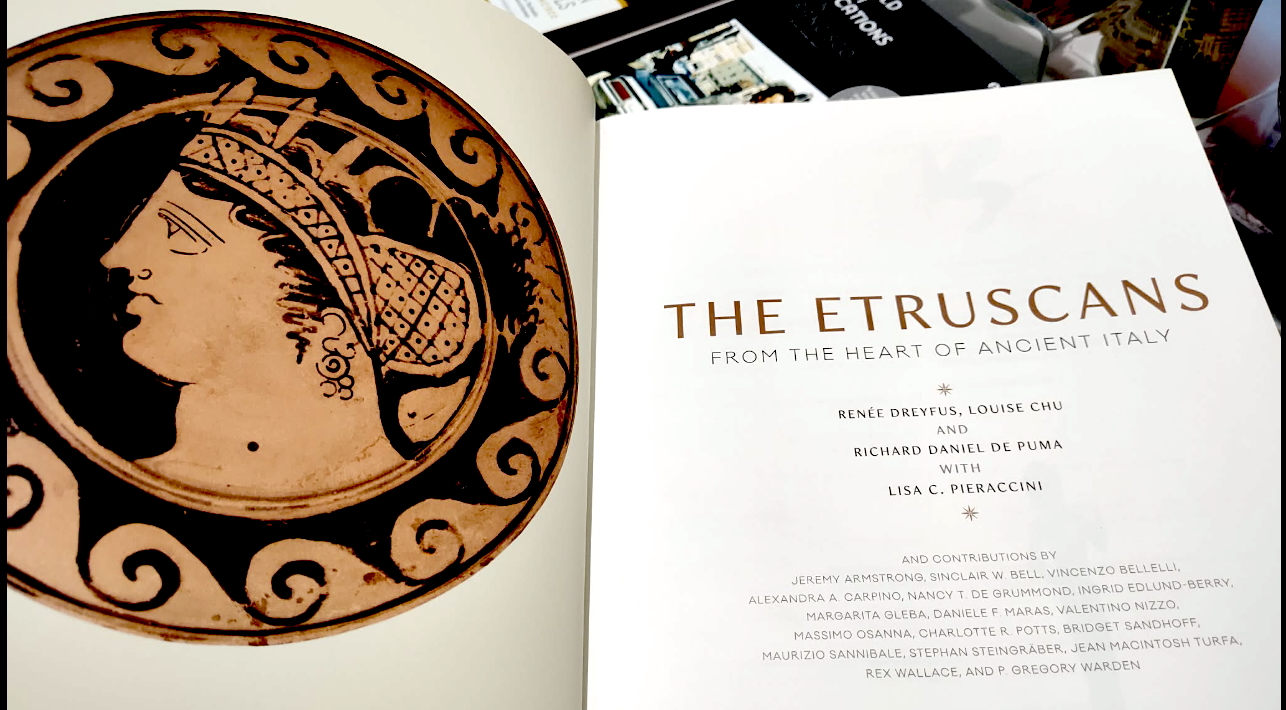
That is what I suspect may happen to some Insider’s Italy travelers who see The Etruscans: From the Heart of Ancient Italy, at the Legion of Honor in San Francisco until September 20. The exhibition brings together an extraordinary range of Etruscan objects, nearly all of them on loan from Italy, and offers a superb introduction to a civilization that has always seemed to me fascinating and mysterious.
The Etruscans were in Italy long before the Romans and yet they are far less familiar to nearly all travelers.
This is unfair, and this show — and what I can share with you in your Insider’s Italy travels — will set things to rights.
The Etruscans have been a personal interest of mine for most of my life, and they are one of the reasons I have always liked the idea that traveling in Italy does not have to mean following the most obvious historical trail. While the best Etruscan museum in the world is in Rome, there are no in-situ remains of the Etruscans in Rome, so do not look for them there. Venture on independent travels with Insider’s Italy into the Lazio region, just beyond Rome, and into Tuscany — though not the touristic part of Tuscany — and you will find them. (And a few in Umbria too.)
For the Etruscans, this is particularly true, since so much of what we know about them has survived in their tombs and in the extraordinary objects buried within them.
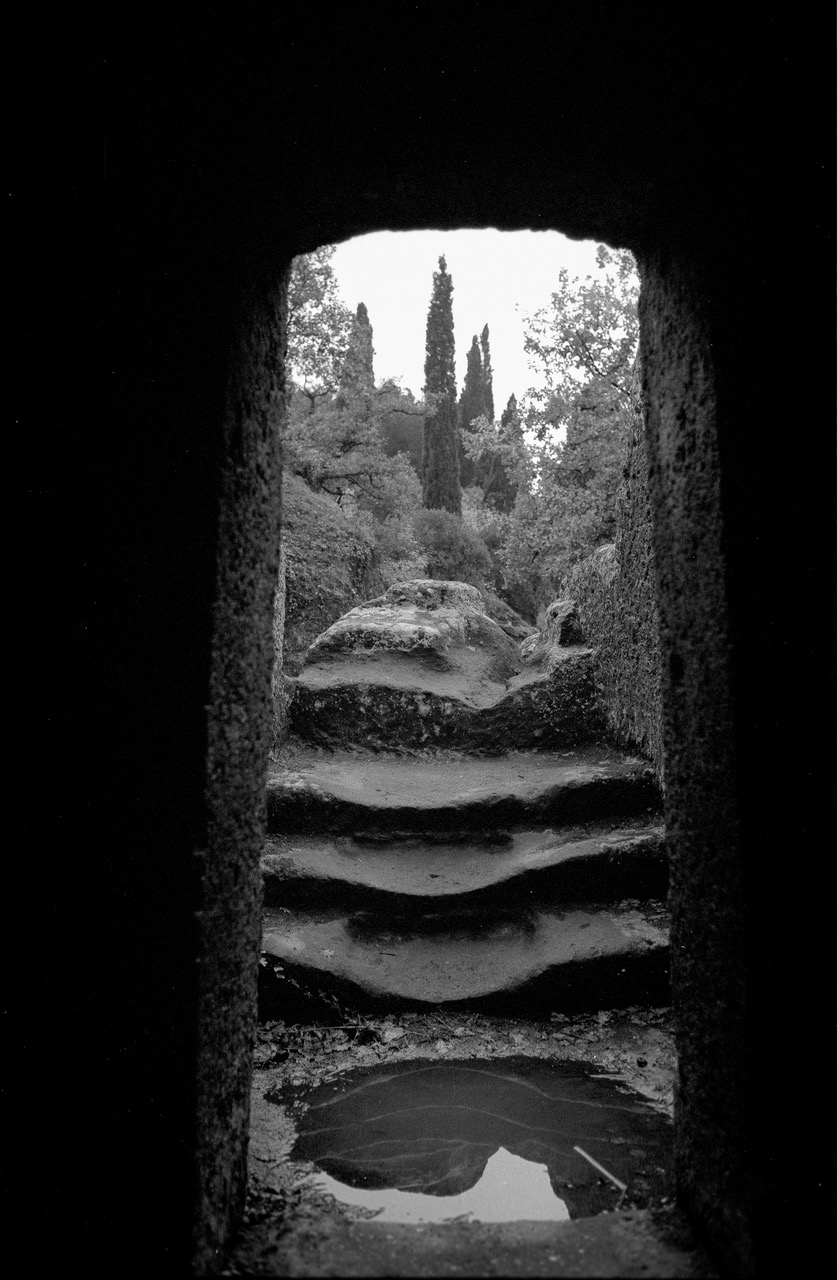
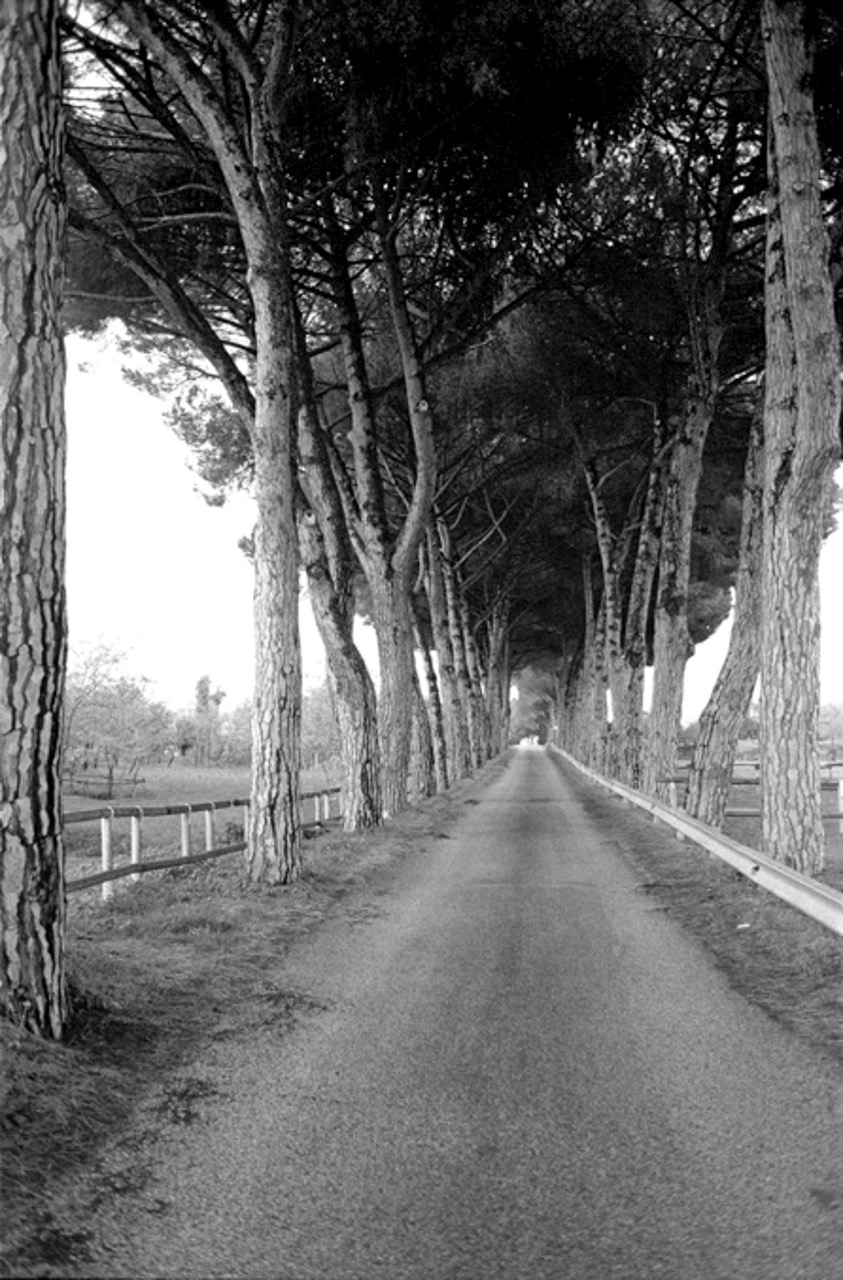
One of my favorite things about Etruscan sites is that they are not grand in the way that one might expect ancient sites to be. They are often tucked into the countryside, sometimes rather unexpectedly, and they require curiosity and sometimes a bit of ferreting out.
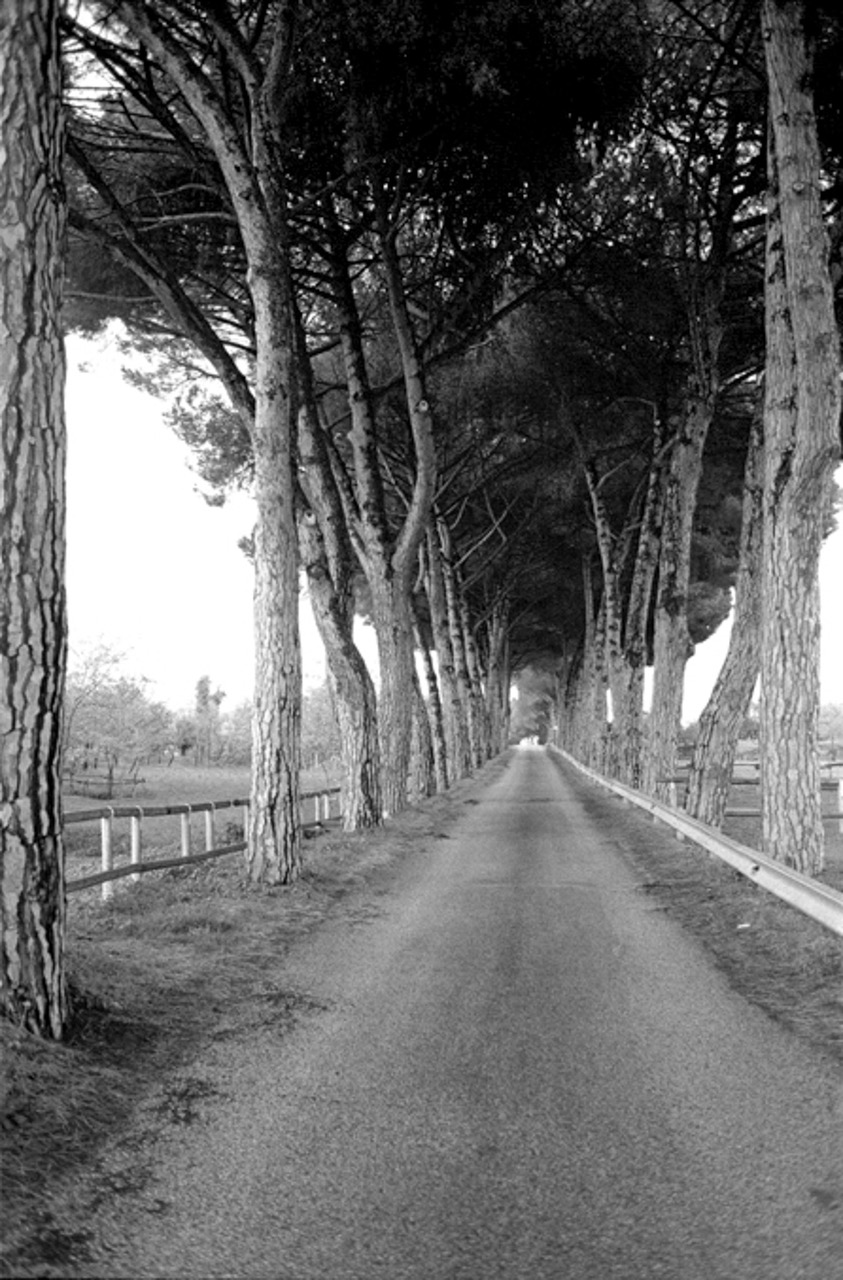
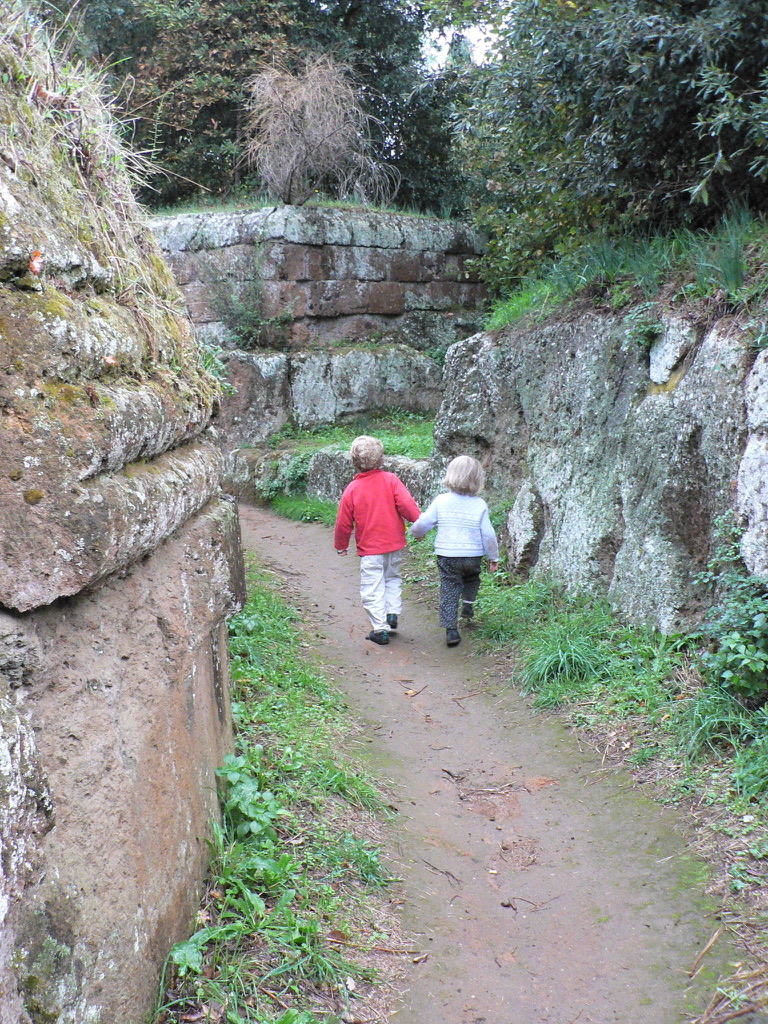
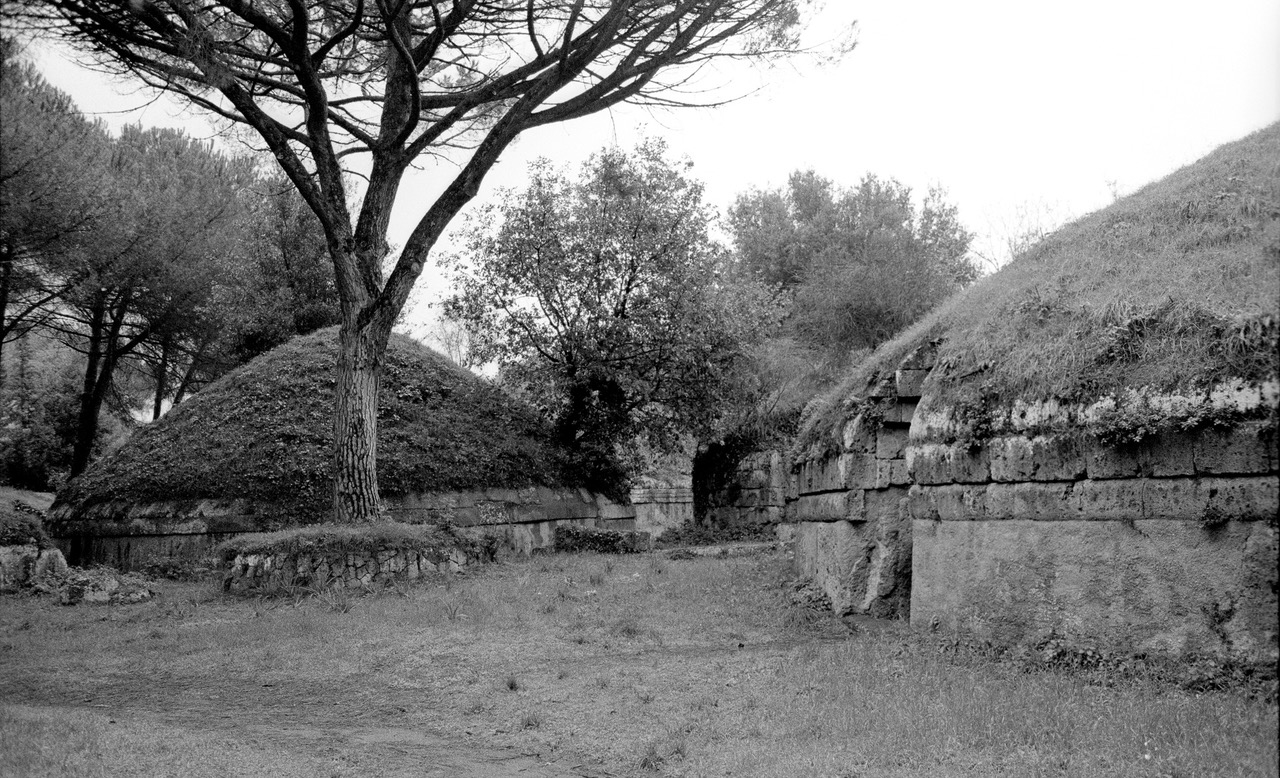
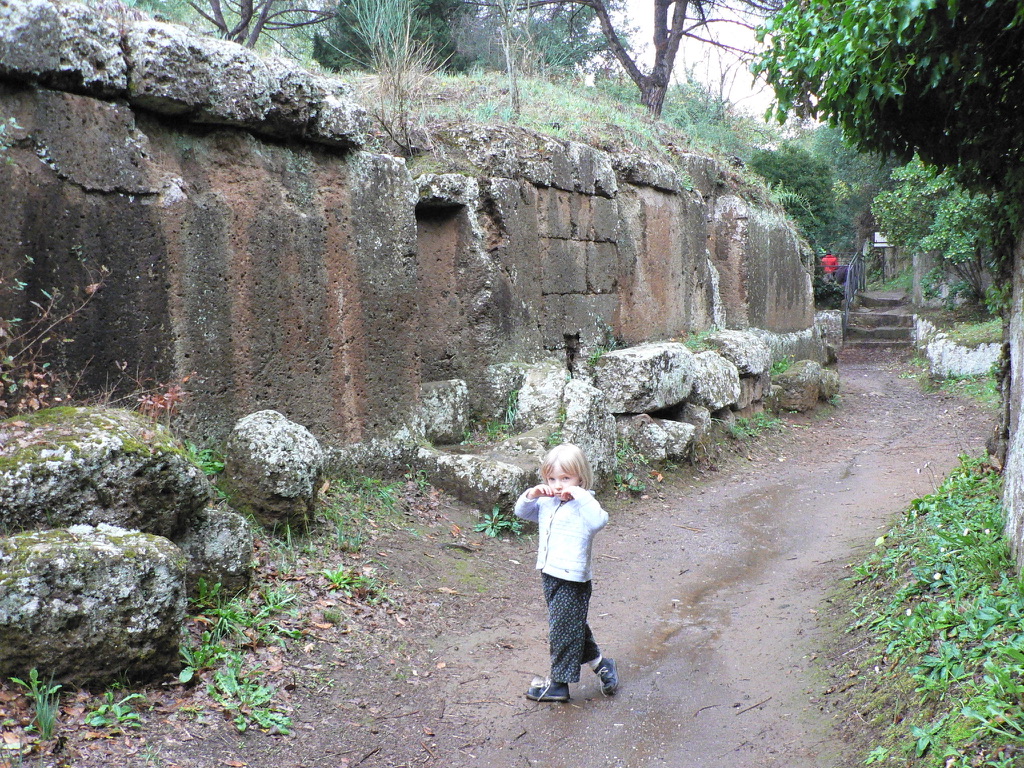
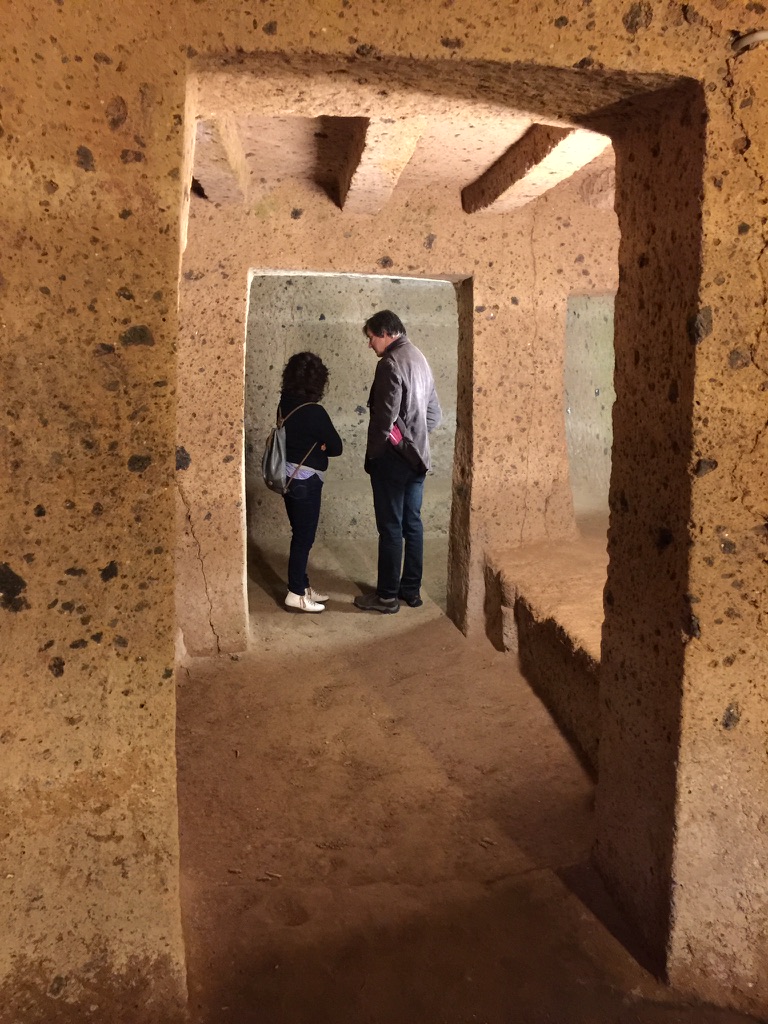
At Cerveteri, an hour from Rome, the great necropolis is in a terrarium of greenery which adds endless atmosphere to the site. The rounded tombs themselves give a bewitching Hobbit feel to the ancient city, and bringing further suggestione still is the way they were laid out, like streets and neighborhoods for the deceased.
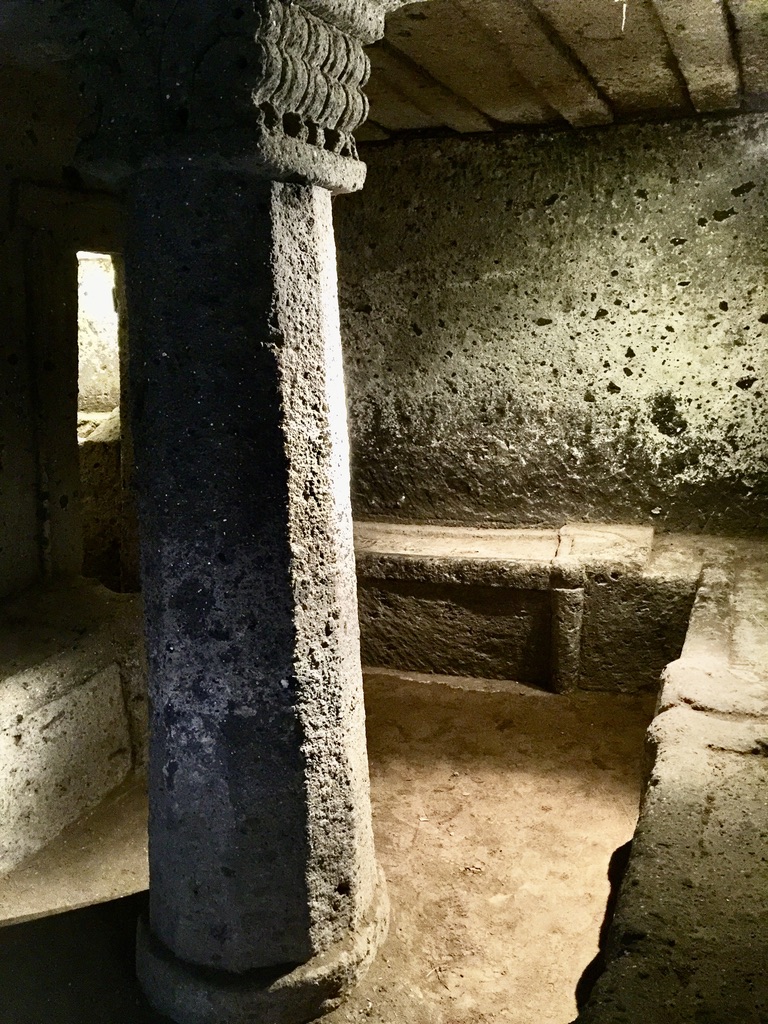
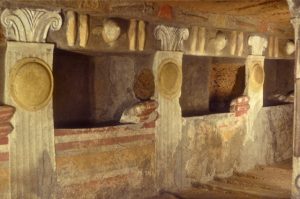
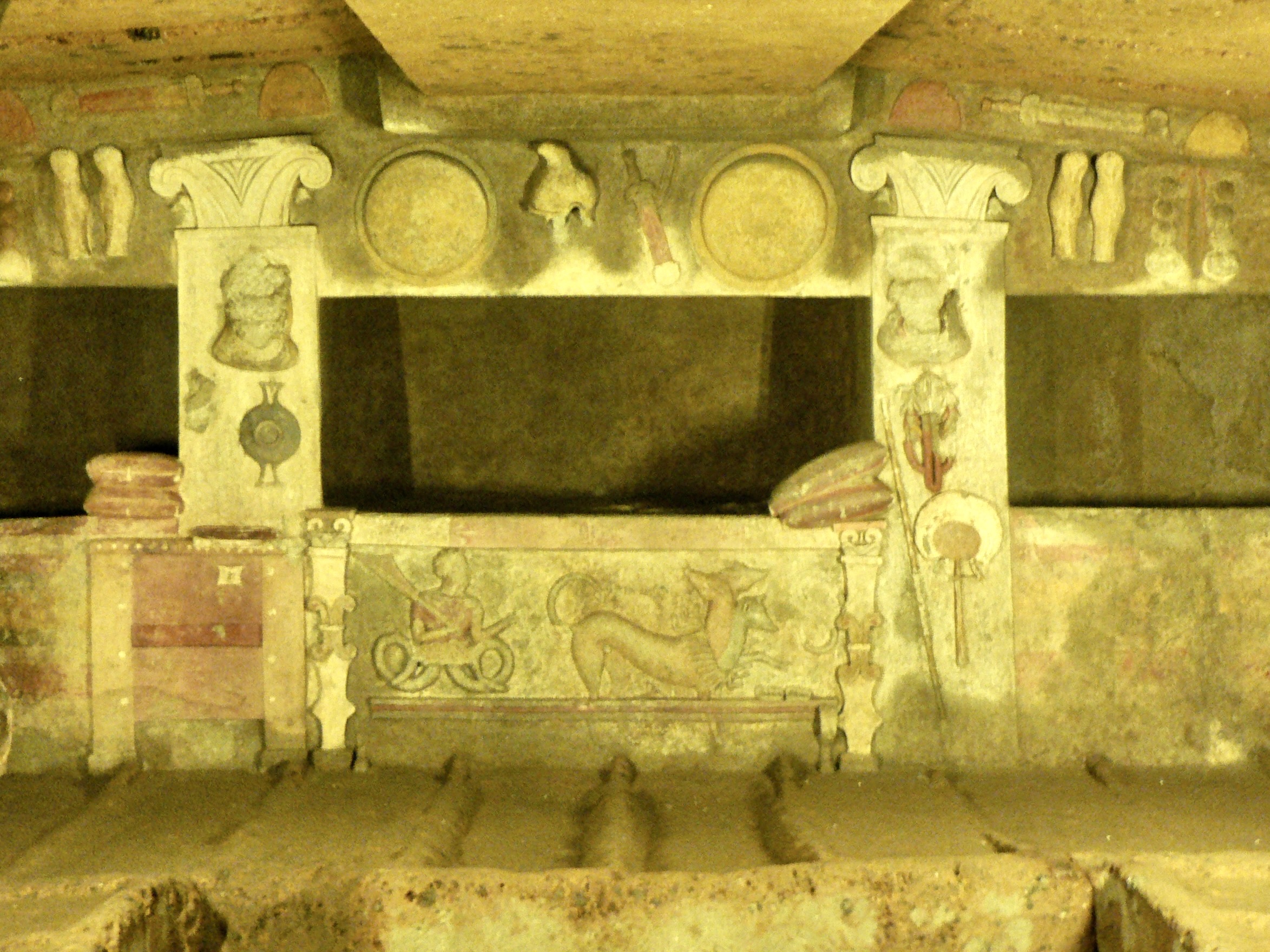
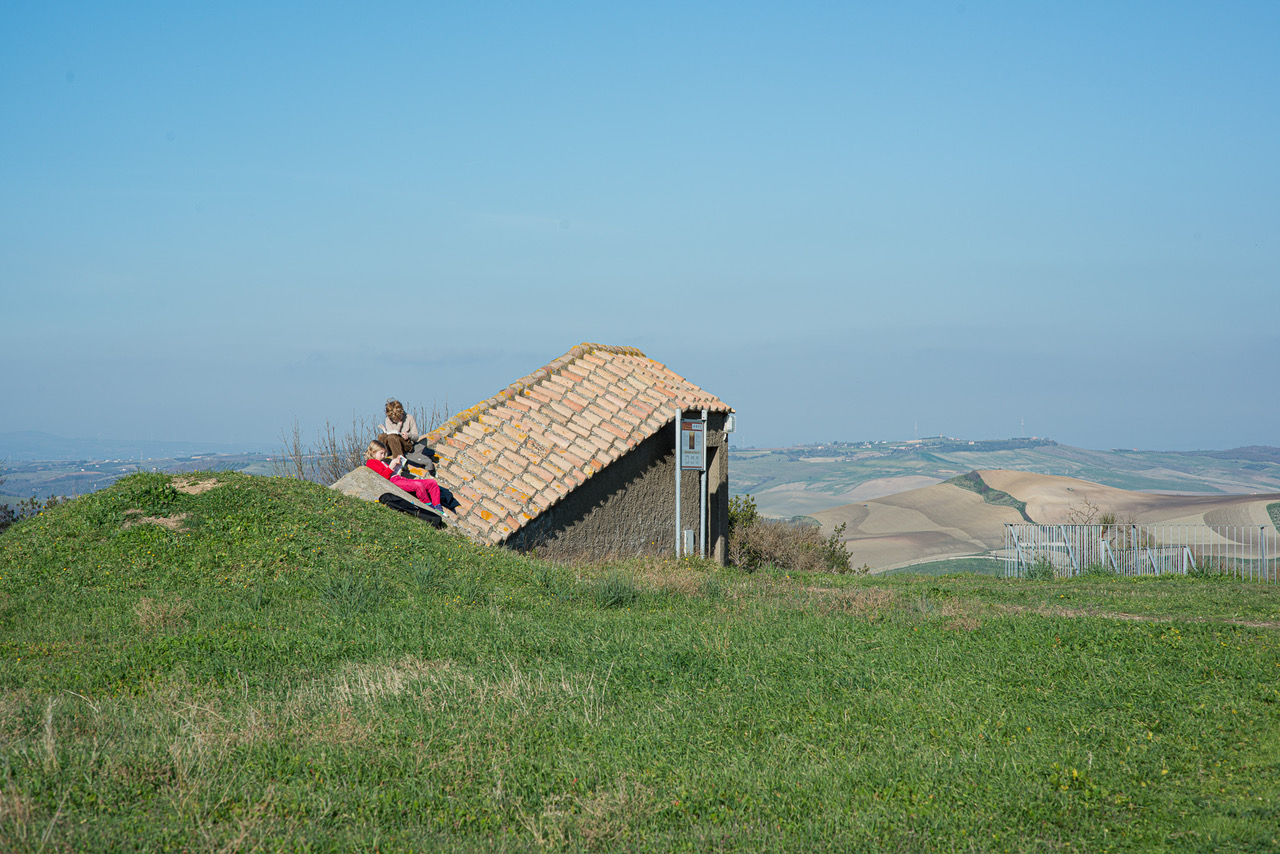
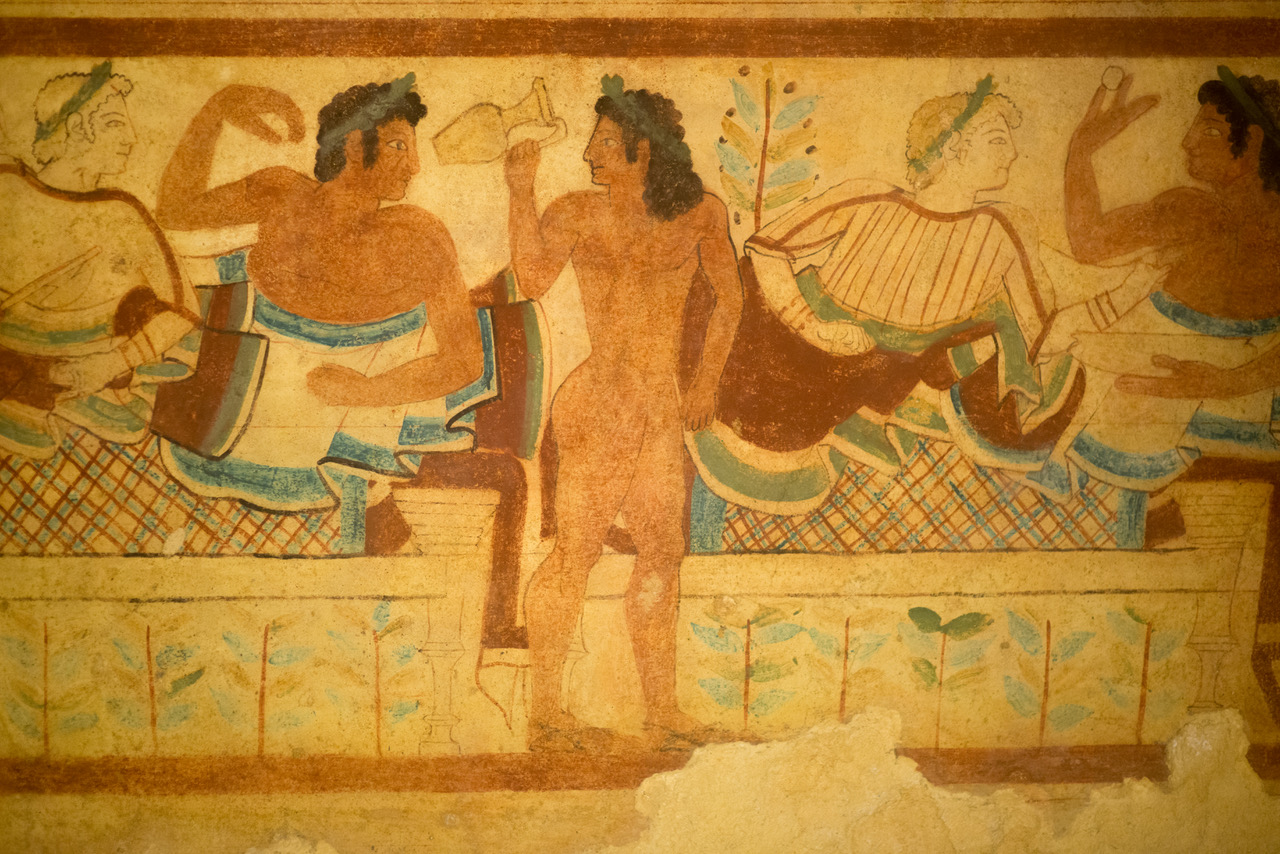
At Tarquinia, a site approached through quiet suburbs and which you might drive right past if you did not know it was there, the frescoed subterranean rock-cut tombs give you an astonishingly intimate glimpse into Etruscan life.
There are scenes of music, dancing, banquets and games that make a people who lived more than two thousand years ago feel remarkably close.
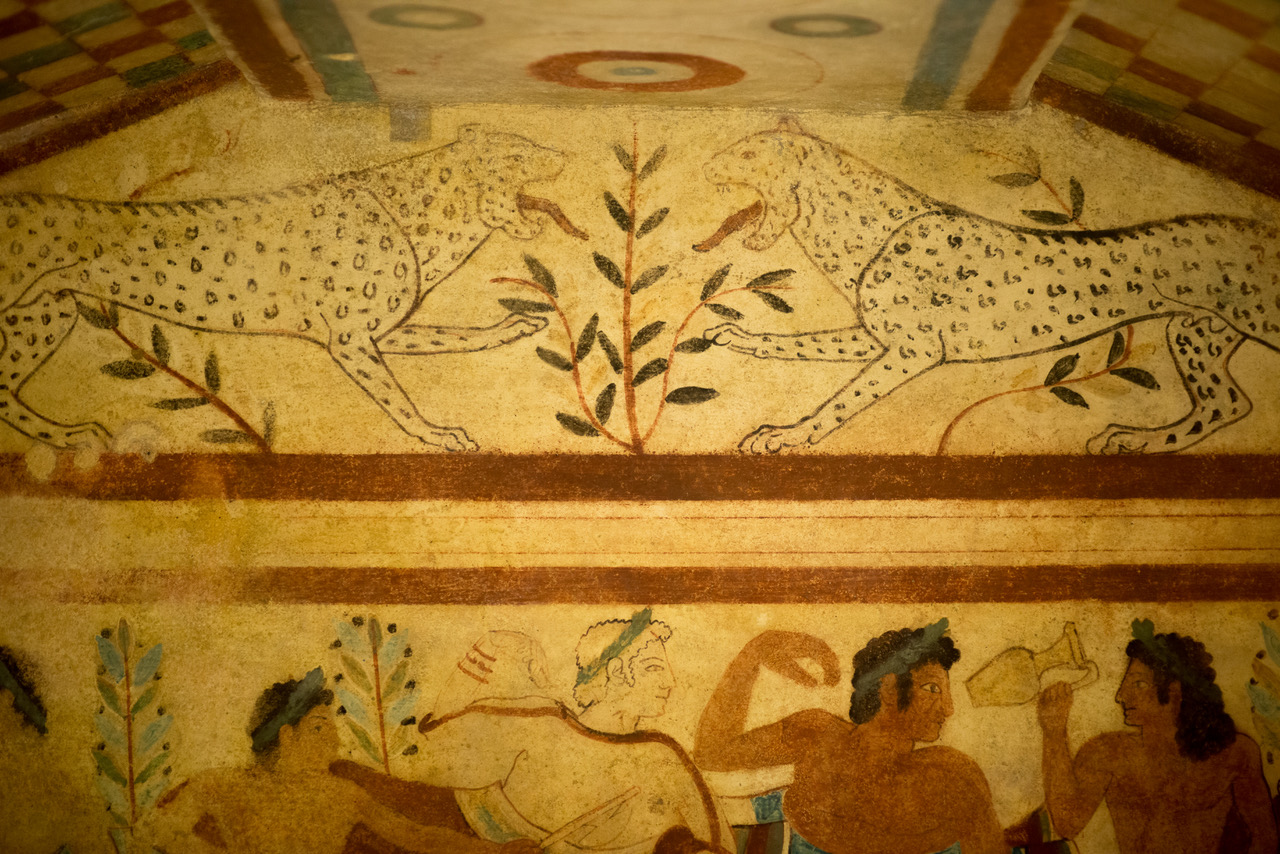
Dennis put it beautifully: “We can now enter into the inner life of the Etruscans, almost as fully as if they were living and moving before us.”
And then there are the objects themselves. The Etruscans were extraordinary metalworkers, potters and jewelers, and what they left behind is astoundingly beautiful.
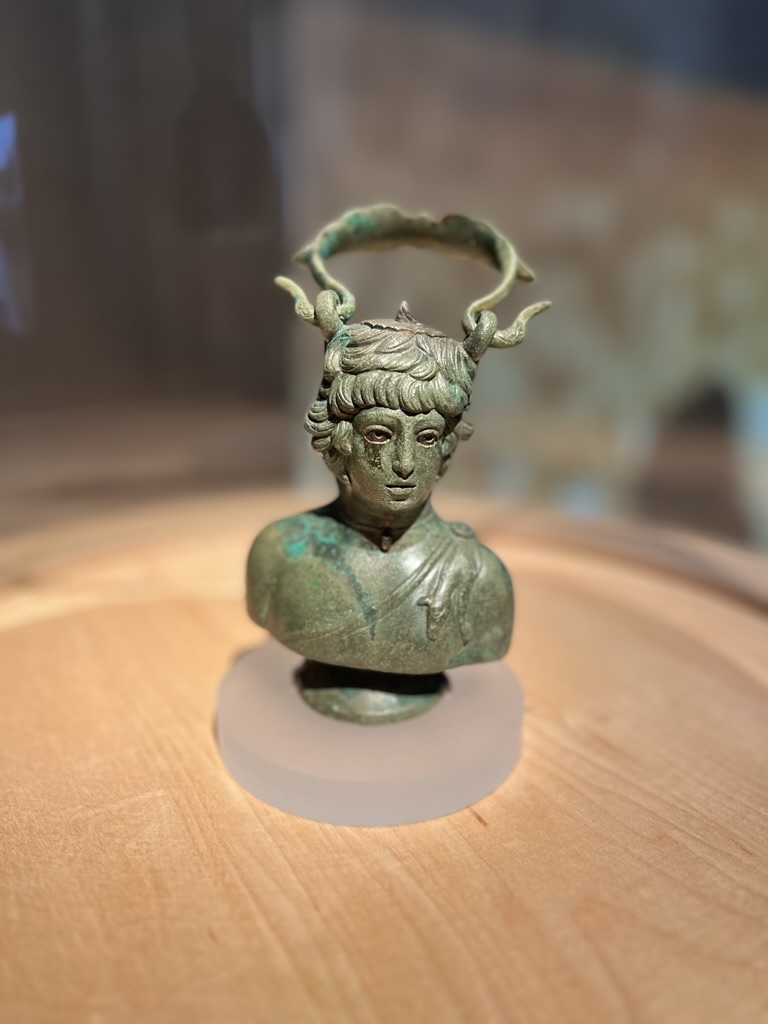
But what interests me even more is what these things tell us about the people who made them. Looking at Etruscan art, one has a sense of a civilization that valued the pleasures and experiences of human life: music, dancing, food, wine, sport, companionship and beauty.
The celebrated and newly restored Sarcofago degli Sposi, the Sarcophagus of the Spouses at Rome’s Villa Giulia, says an enormous amount in a very small space. A husband and wife recline together on a banqueting couch, his arm around her shoulders, their faces turned toward us. She is not behind him, beside him as an accessory, or relegated to some secondary place in the composition. She is his companion, beautifully dressed and self-possessed, participating in the same world of pleasure and ceremony.
Etruscan women appear with unusual visibility elsewhere too, in sculpture, relief and painted pottery, including scenes of banqueting, music and dance.
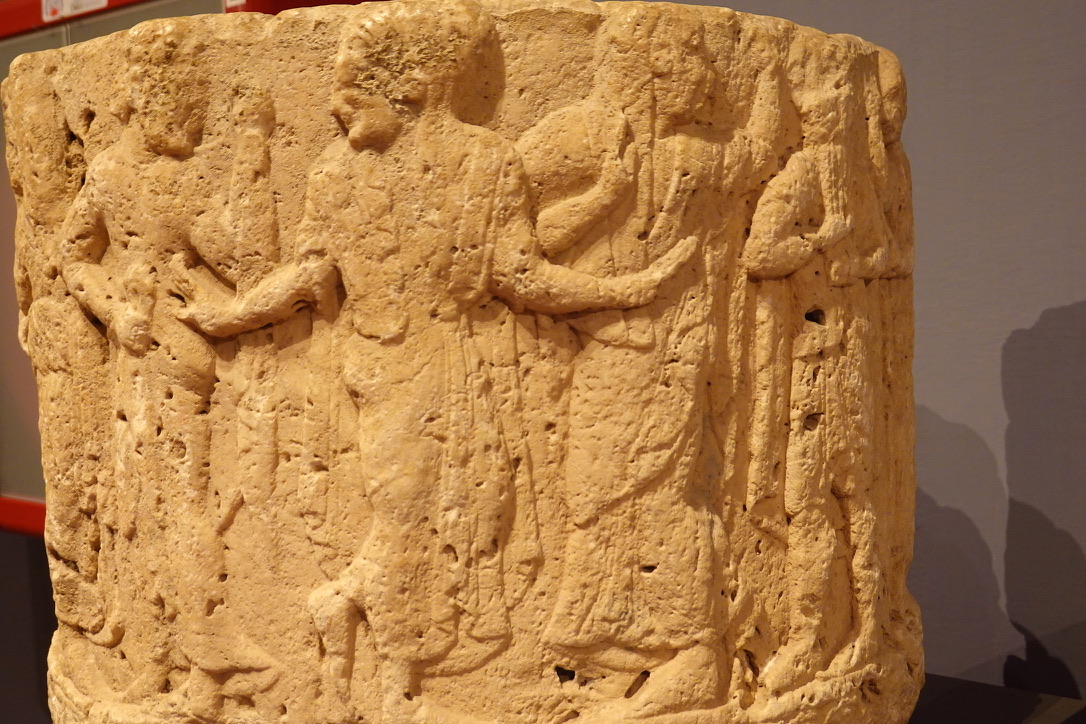
This is one reason I find Etruscan art so compelling. It gives us glimpses not only of what Etruscans believed, but of how they wanted life to look. Their tombs are full of people enjoying themselves. Even when the subject is death, the emphasis is so often on life.
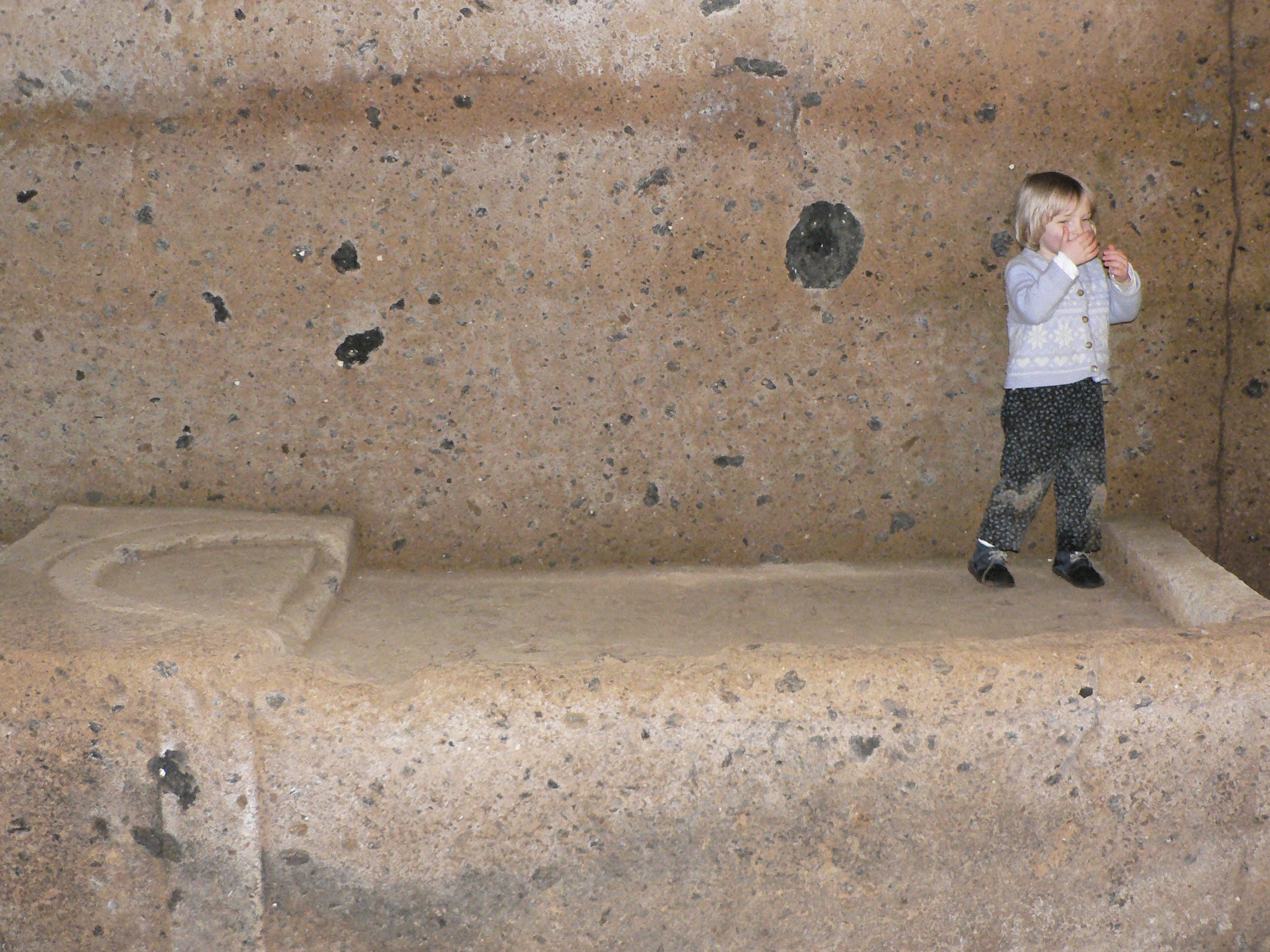
Perhaps that is what we might now call a humanist sensibility. Not humanist in the later Renaissance sense, of course, but a fascination with the human experience itself: with relationships, individuality and the rituals that make a life meaningful.
And the Etruscans were remarkably creative in giving form to all of this.
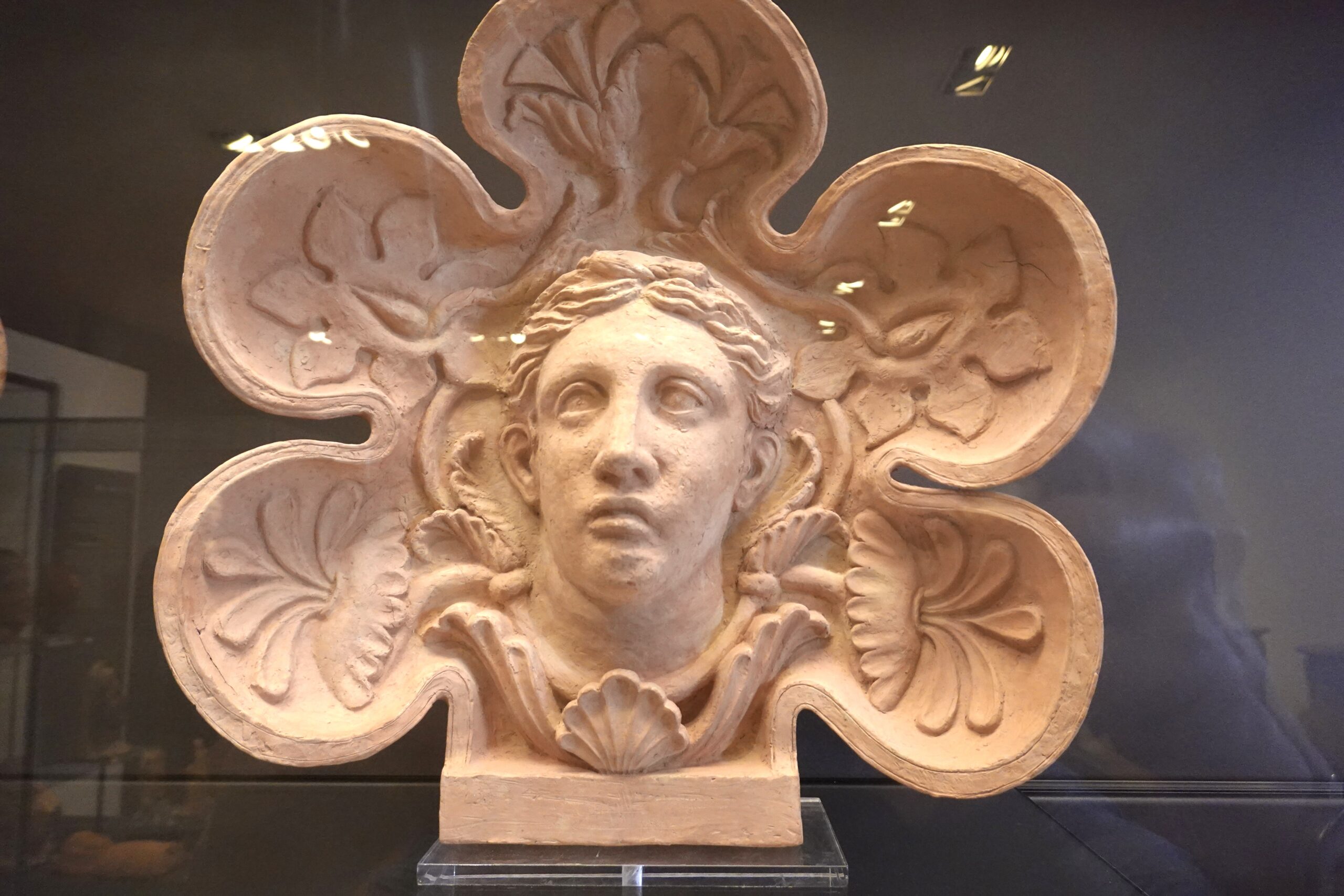
They were also great adapters. They had a voracious appetite for the cultures around them, particularly the Greeks, but they did not simply copy what they saw. They absorbed ideas, techniques and forms and made them their own. Their bucchero pottery, for example, with its distinctive black, almost metallic surface, is unmistakably Etruscan. They adapted the Greek alphabet to their own language, and the Romans later adapted the Etruscan version.
So much of what they did was subsequently absorbed into Roman culture that we can easily overlook the people who were there first. Their influence on Rome was profound.
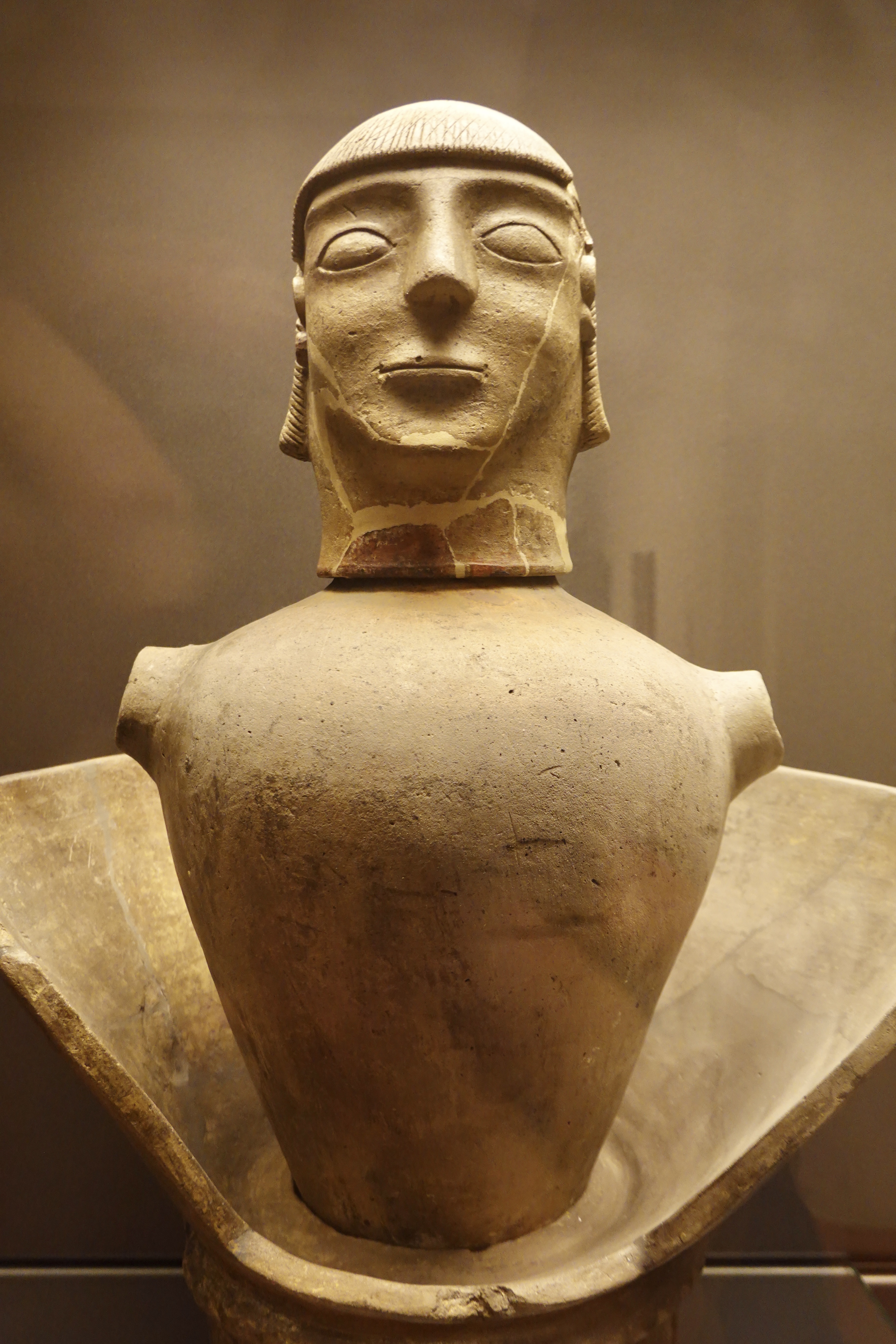
And it is when you leave the museum and go to Etruria itself that all of this becomes most vivid.
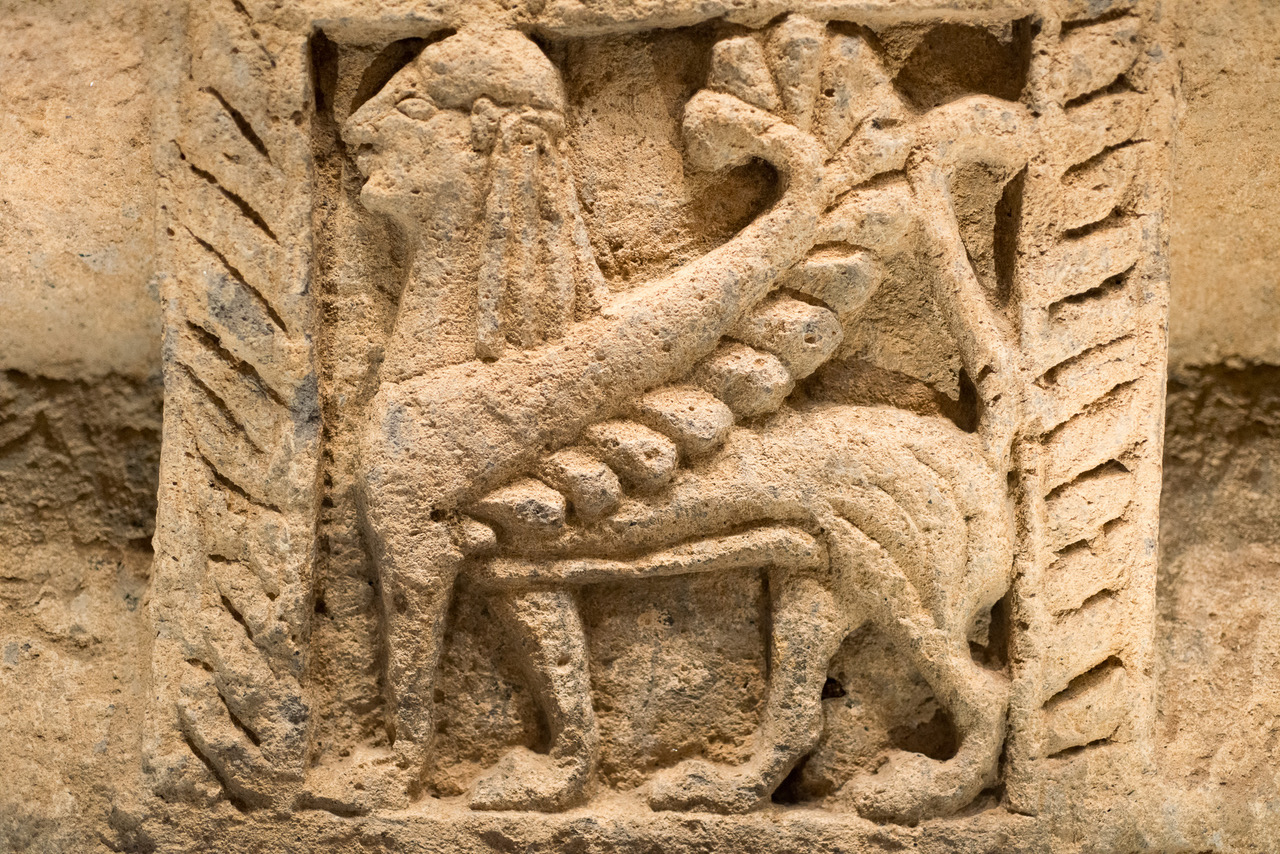
This is also why I have continued to include Etruscan sites in the itineraries I create for Insider’s Italy. There is something exceptionally satisfying about guiding an Insider’s Italy traveler who has already traveled extensively in Italy to a culture and a part of Italy that they had not realized was there. To stand in the landscape where the Etruscans actually lived is an experience not to miss.
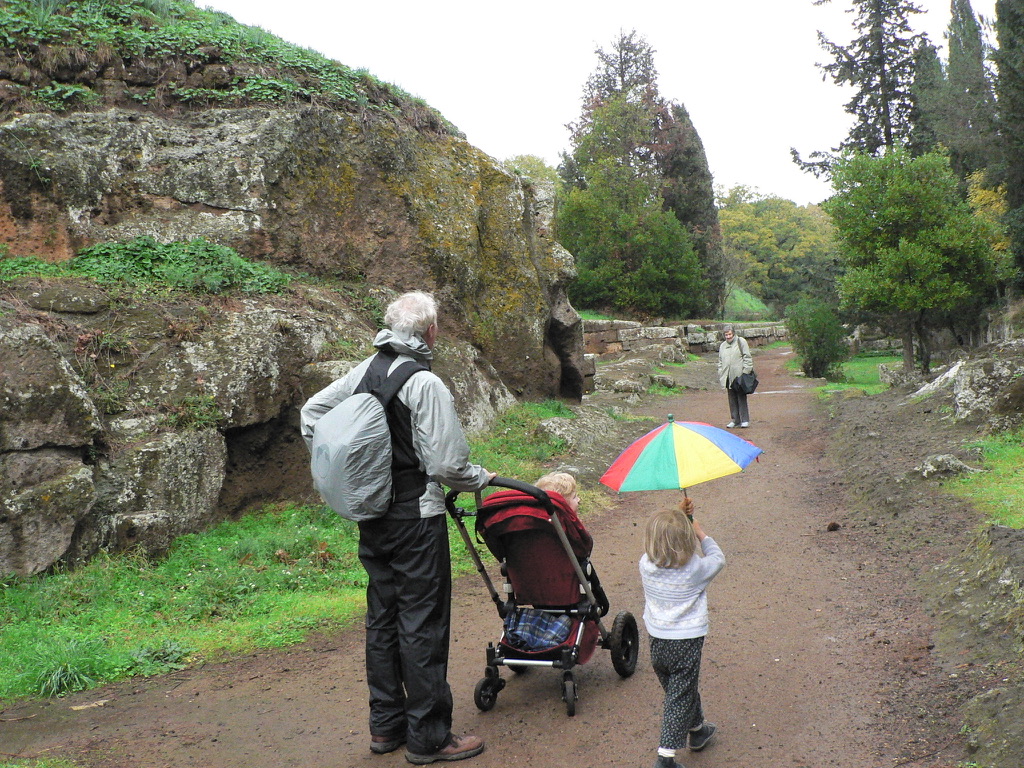
If, thus, the San Francisco exhibition stirs you, I hope you will follow your heart. The Etruscan world can be incorporated into a larger journey through Italy, or it can become a primary theme of your Insider’s Italy trip.
Planning a trip to Italy must begin with the things that genuinely interest you, and never with a standard list of places you are supposed to see.
If the Etruscans have caught your imagination, tell me. I know exactly where to take you.
I may in fact be there myself.
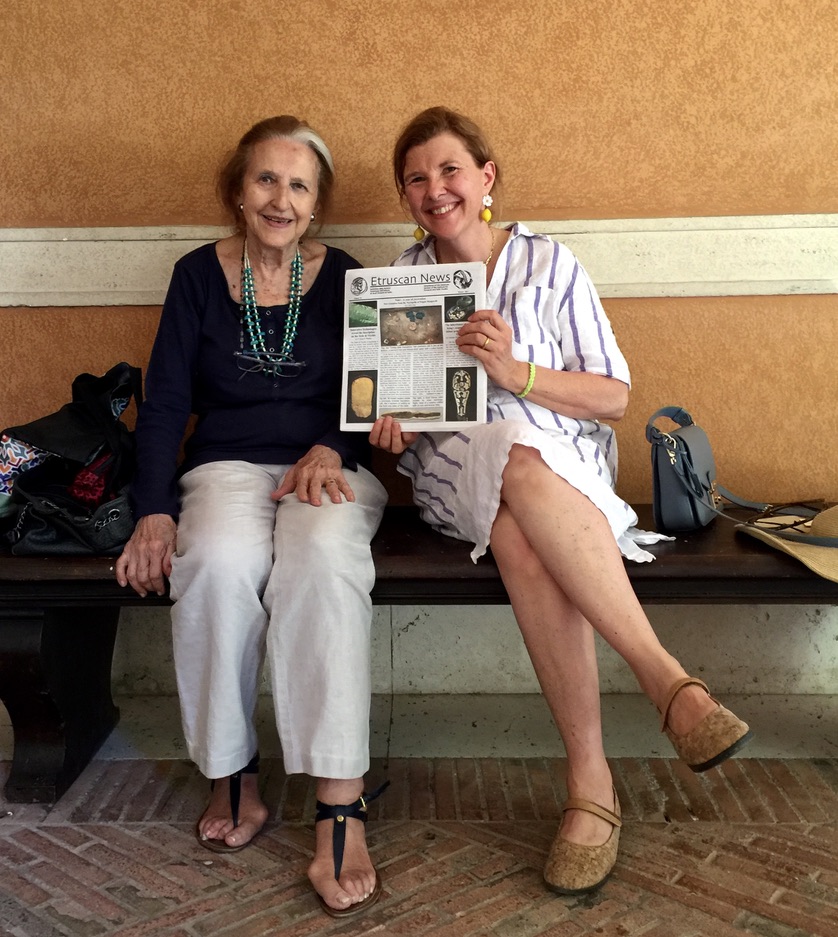
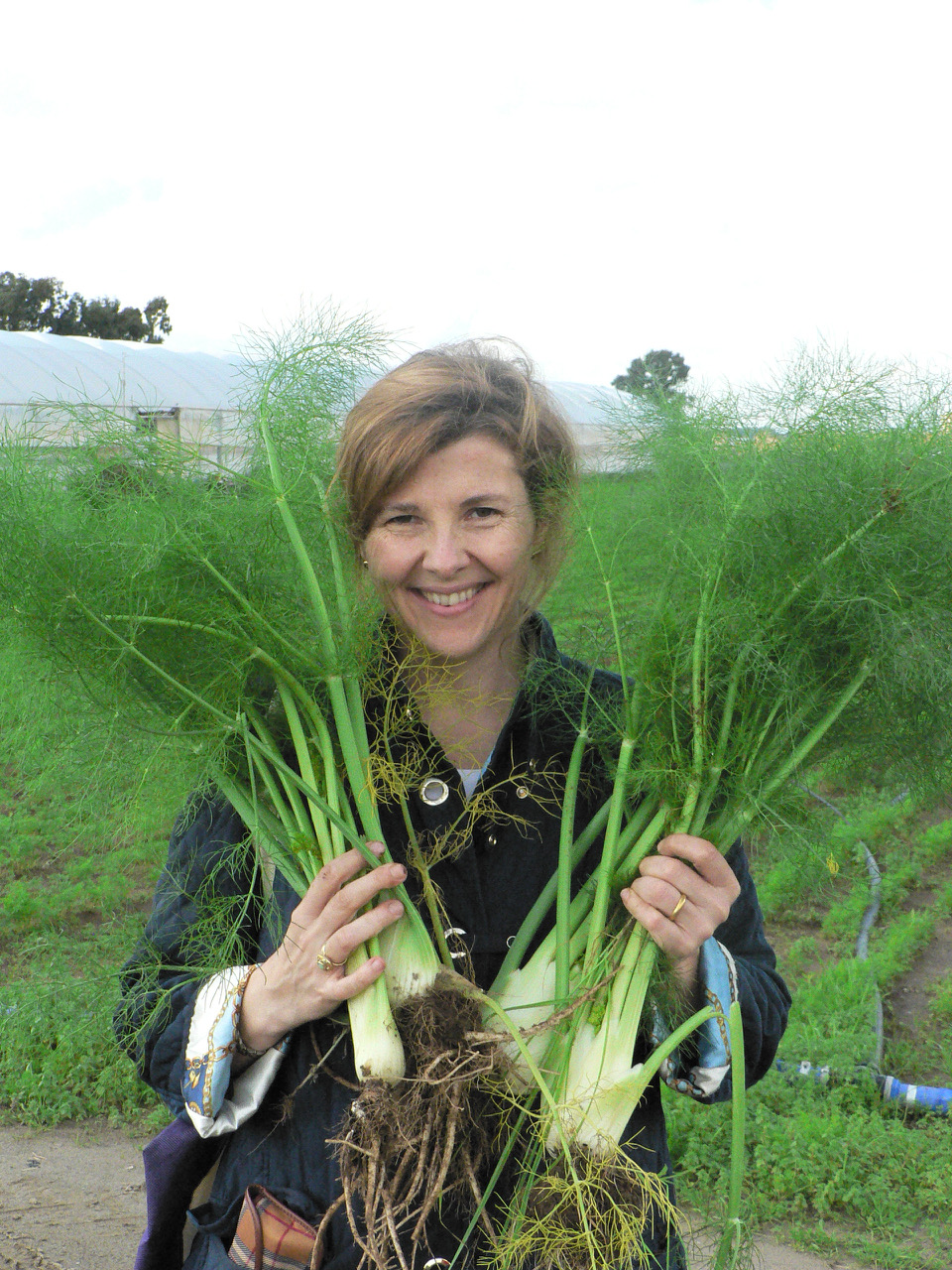
Meet Marjorie
Insider’s Italy is an experienced family business that draws on my family’s four generations of life in Italy. I personally plan your travels. It is my great joy to share with you my family’s hundred-year-plus archive of Italian delights, discoveries and special friends.