
San Giuseppe in Italy: Where Fathers Are Celebrated in Pastry
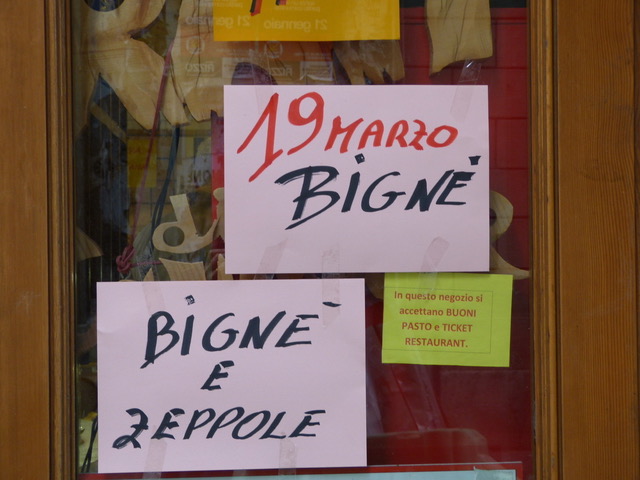
If my birthplace, Italy, is my motherland, what is my fatherland?
Perhaps we cannot speak of a fatherland in Italy, but we can certainly celebrate fathers — and in doing so, today we also celebrate Italy’s beloved San Giuseppe pastries.
March 19 in Italy is San Giuseppe, and from the Dolomites in the north to Pantelleria in the south, Saint Joseph’s feast day is marked — Italy being Italy — by something very good to eat.
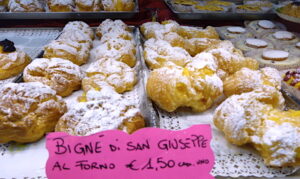
It goes by myriad names: bignè di San Giuseppe in Rome, zeppole in Naples, sfince di San Giuseppe in Palermo, zippule in Calabria. In the north, it takes other shapes and forms, but it is always sweet and often fried: tortelli di San Giuseppe, ravioli dolci, and more.
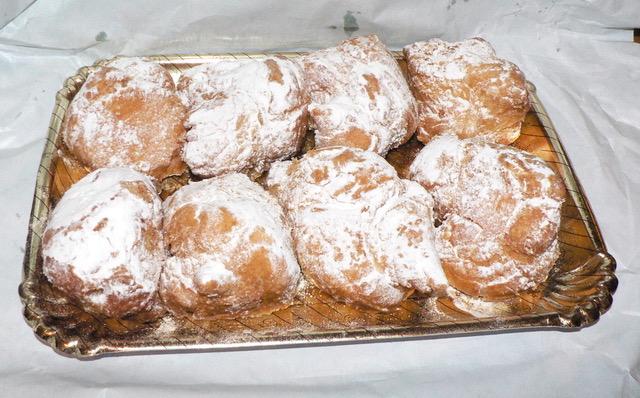
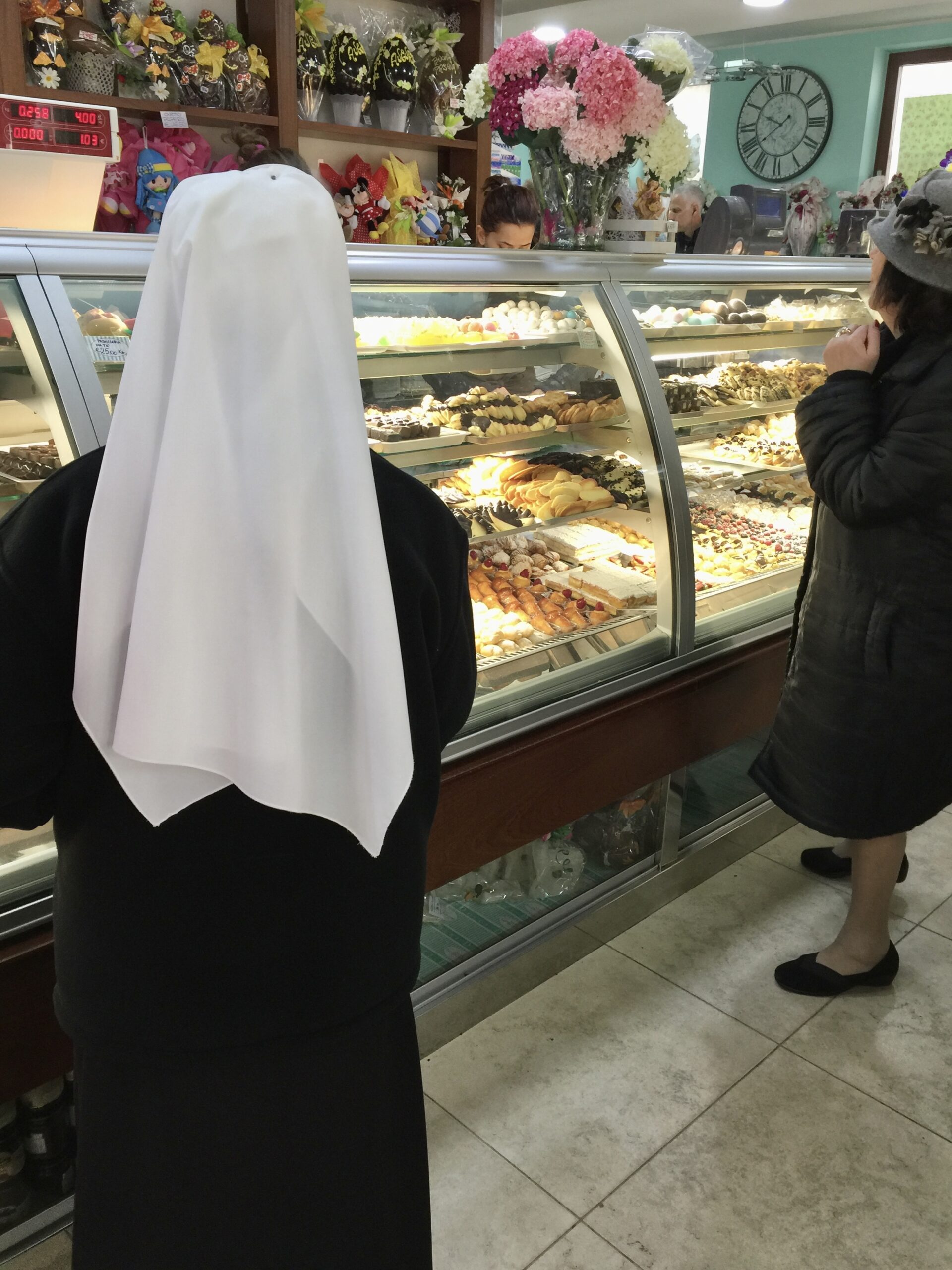
Nearly every Italian with a sweet tooth who has tried a well-made zeppola or bignè will never forget it — and will wait longingly for the following year, when these pastry cream-filled pastry puffs once again dominate the displays of artisan pastry shops.
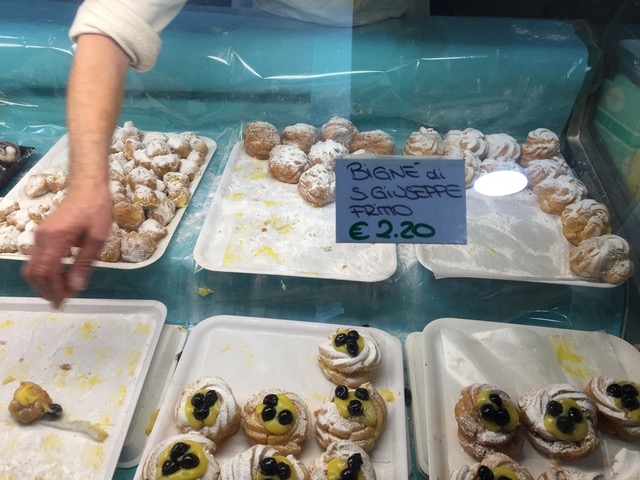
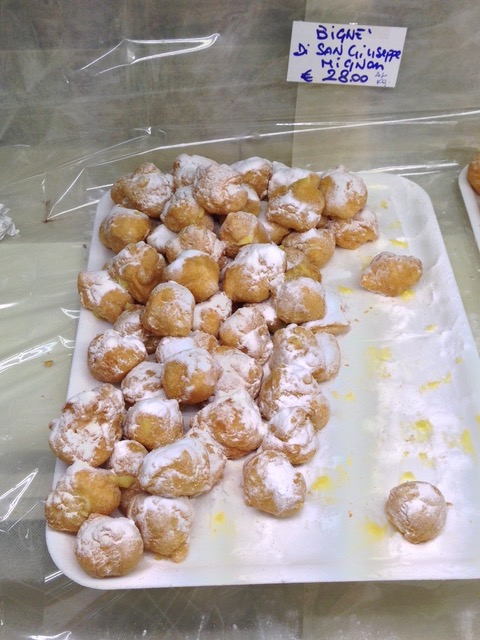
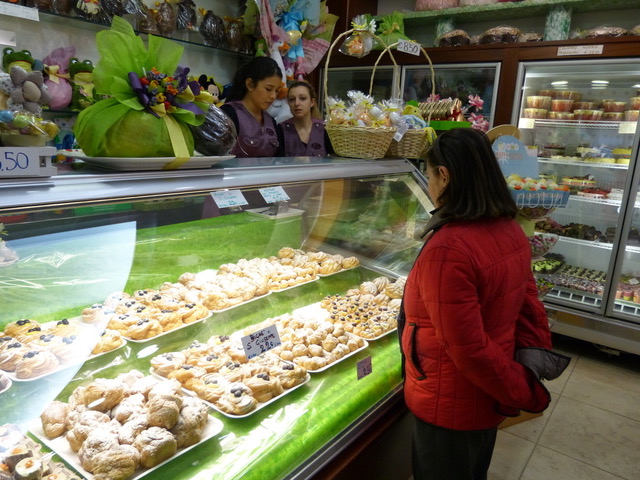
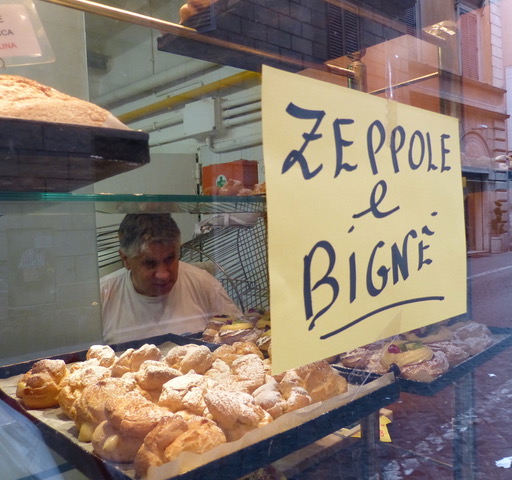 The zeppola di San Giuseppe, as made in Naples and across Campania, first appeared in a written recipe in 1837, in the Trattato di Cucina Teorico-Pratico by the Neapolitan gastronome Ippolito Cavalcanti, Duke of Buonvicino. According to various historical accounts, the zeppola may derive from wheat fritters prepared in ancient Rome during the Liberalia festival, celebrated on March 17 in honor of the deities of wine and wheat. On those occasions, sweets were fried in oil or lard — a tradition that, over time, became linked to the feast of Saint Joseph. The modern version of the zeppola was later perfected in 19th-century Naples, likely in convents (such as San Gregorio Armeno) or by street fryers who set up stalls to sell these treats to passersby on March 19.
The name zeppola has ancient and uncertain origins. Linguists suggest it may derive from the Neapolitan dialect word “zeppola” or “zéppula,” referring to a dough fritter cooked in lard or oil. Some theories trace it to the Latin “cippus” or “zeppa”, meaning a small piece of wood or something round and compact — perhaps a reference to the dessert’s shape. Others link it to the dialect verb “zeppolare”, meaning to fry small pieces of dough. In any case, for centuries the term zeppola has referred to fried, flour-based sweets beloved across Italy.
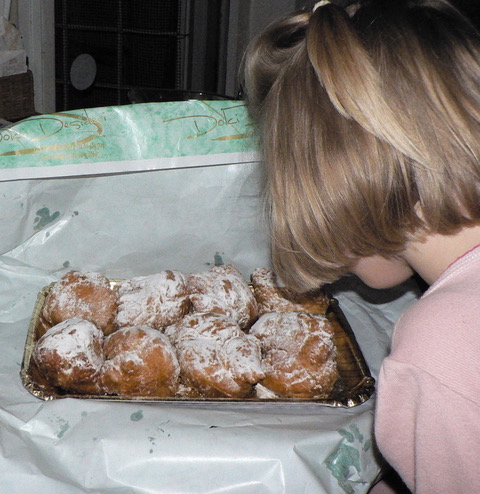
All very interesting. But what matters most is immersing yourself in a long-standing Italian tradition — and feasting today on bignè, zeppole, sfince, or their many cousins.
Thank you, San Giuseppe — patron saint of fathers, among other things — for bringing us this magnificent pastry tradition.
And now I’m off to pick up my platter.

Buon San Giuseppe !
Marjorie
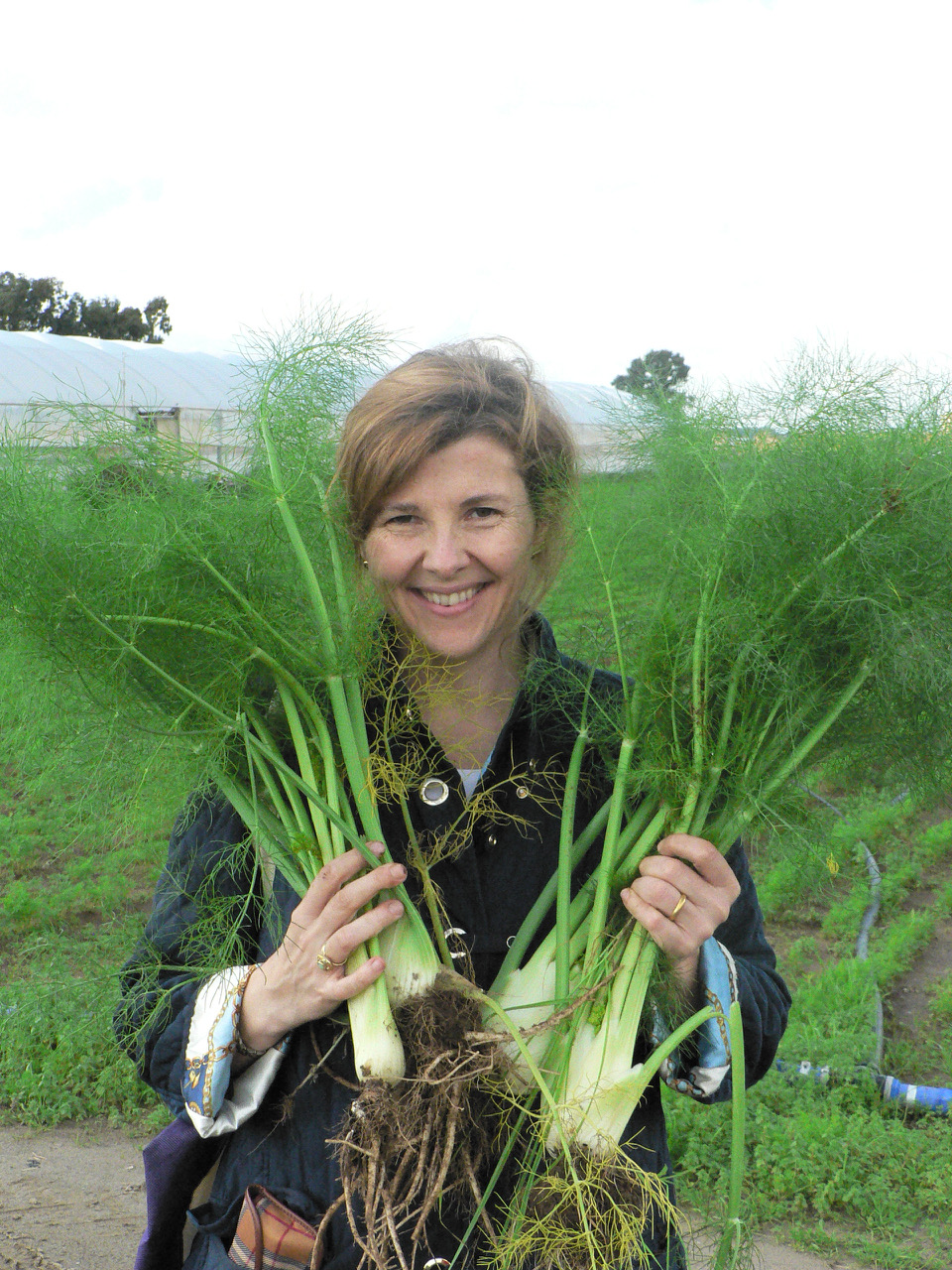
Meet Marjorie
Insider’s Italy is an experienced family business that draws on my family’s four generations of life in Italy. I personally plan your travels. It is my great joy to share with you my family’s hundred-year-plus archive of Italian delights, discoveries and special friends.