
The Perfect Panettone
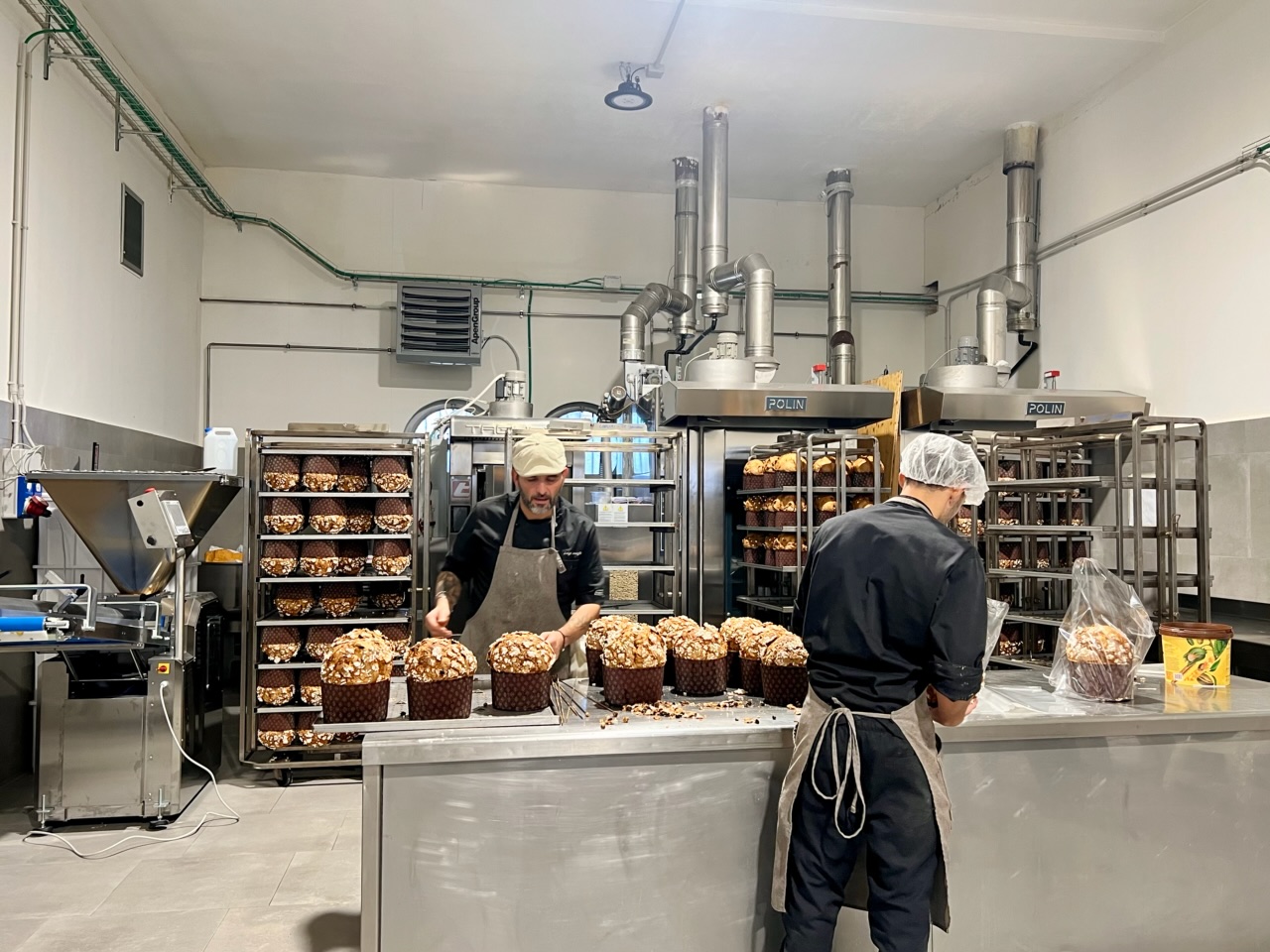
Panettone! For Italians, Christmas is inseparable from this prettily packaged, dome-shaped sweet bread. I’ve never known an Italian who doesn’t, at least once between December 8 — the unofficial start of the festive season — and Epiphany, January 6, partake in it.
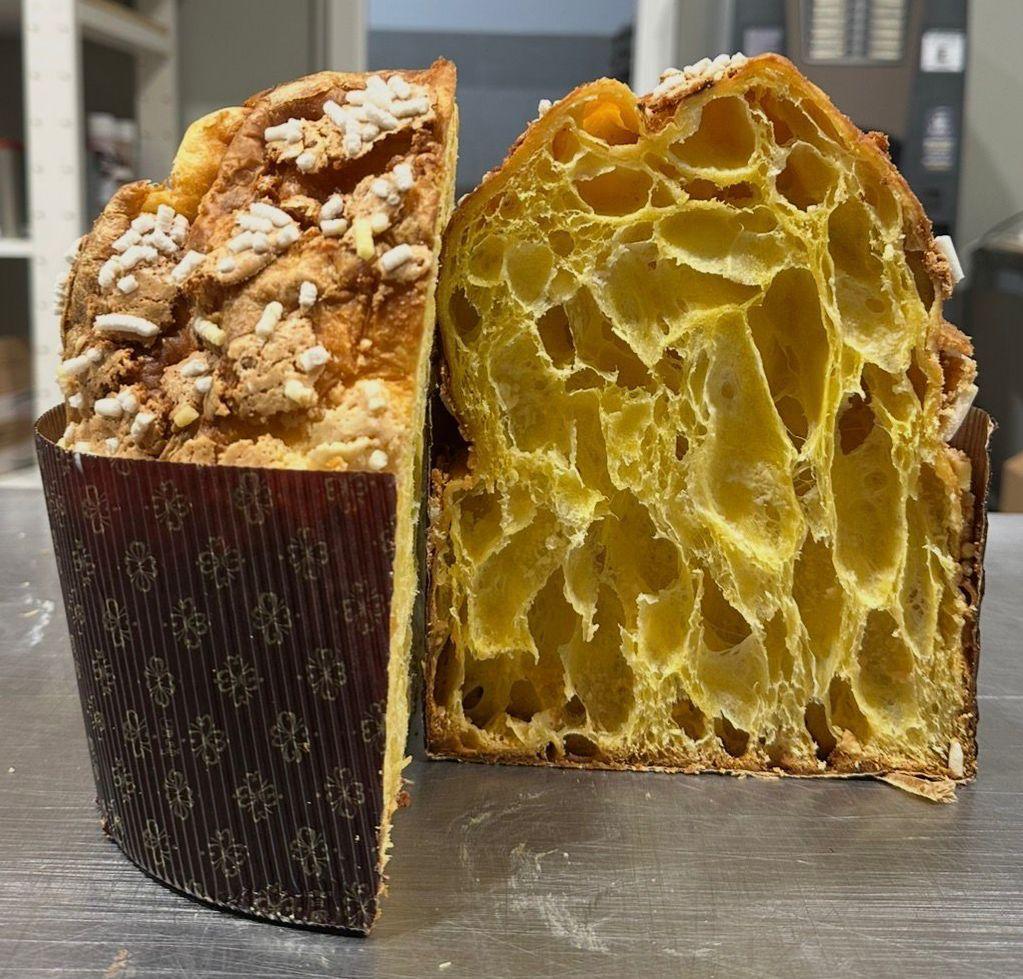
Its crumb should be airy, stretchy, almost cake-like, studded with candied orange, citron, and raisins (though modern bakers create many variants, and gluten-free variations).
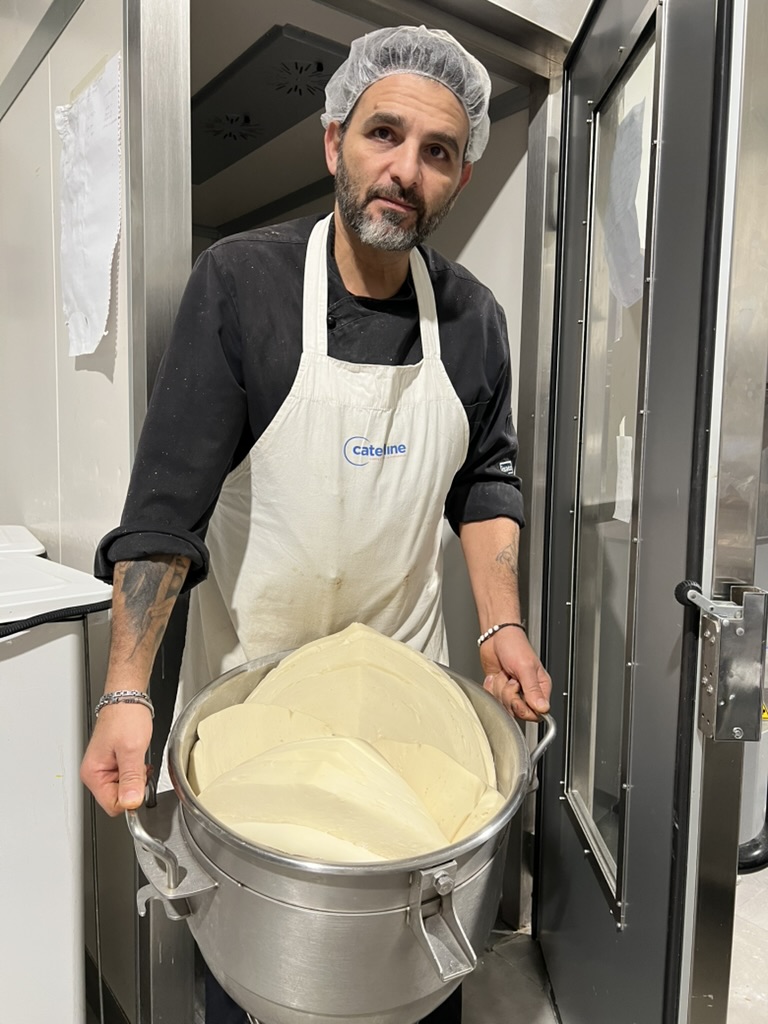
People often compare panettone to brioche, but the comparison is misleading. Brioche is a straightforward commercial-yeast dough, rich and buttery, risen in a matter of hours. Panettone, on the other hand, begins with natural sourdough — lievito madre — and undergoes a marathon of slow fermentations over 36 to 72 hours.
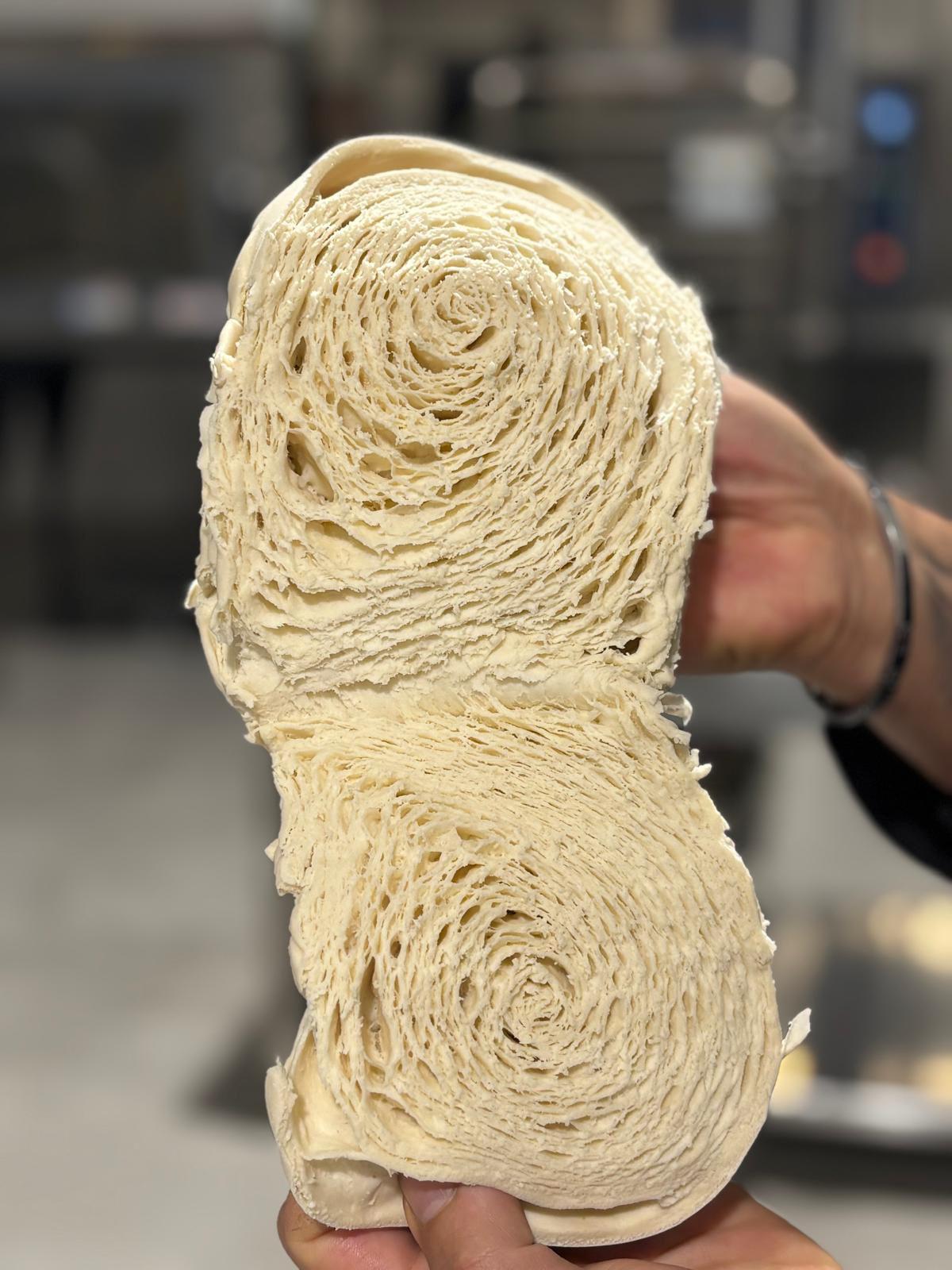
Where brioche gives you a soft, cakey crumb, panettone develops long, silky strands that stretch and shred between your fingers.
And while brioche is sweet and simple, panettone carries a deep aromatic profile: citrus, vanilla, honey, butter, and that subtle acidity that only natural fermentation can produce.
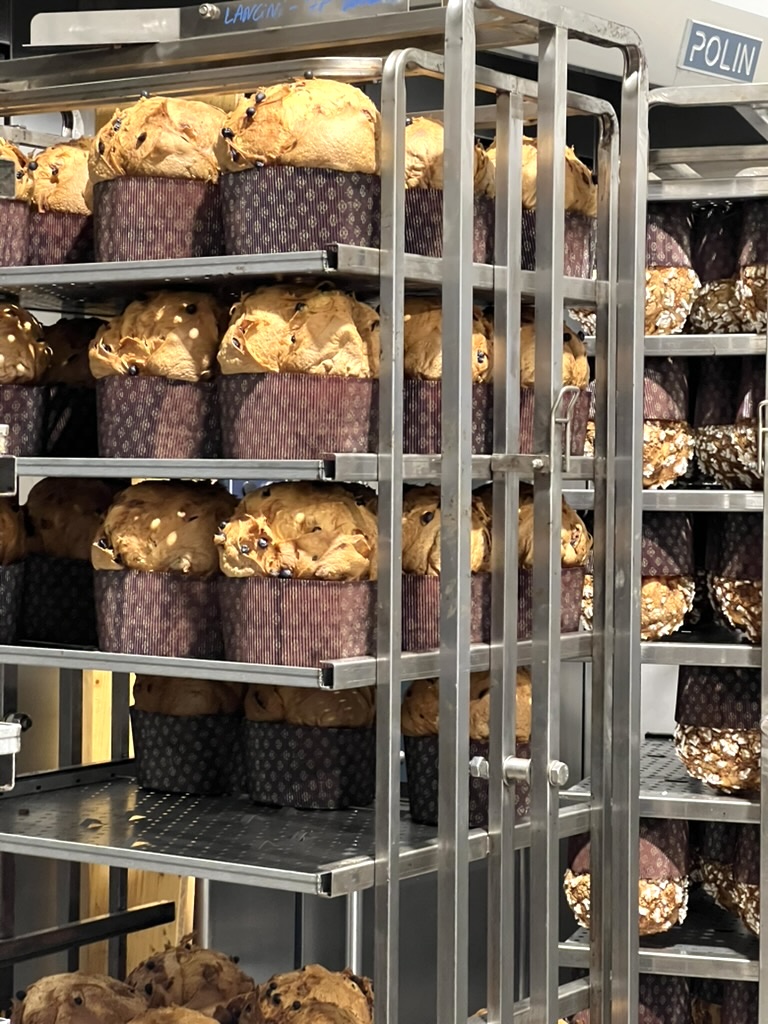
All of this complexity means panettone is one of the most technically demanding doughs in the world. The hydration alone is daunting: enormous amounts of water, butter, and egg yolk create a dough so elastic and temperamental that every Italian pasticcere I know calls it un inferno.
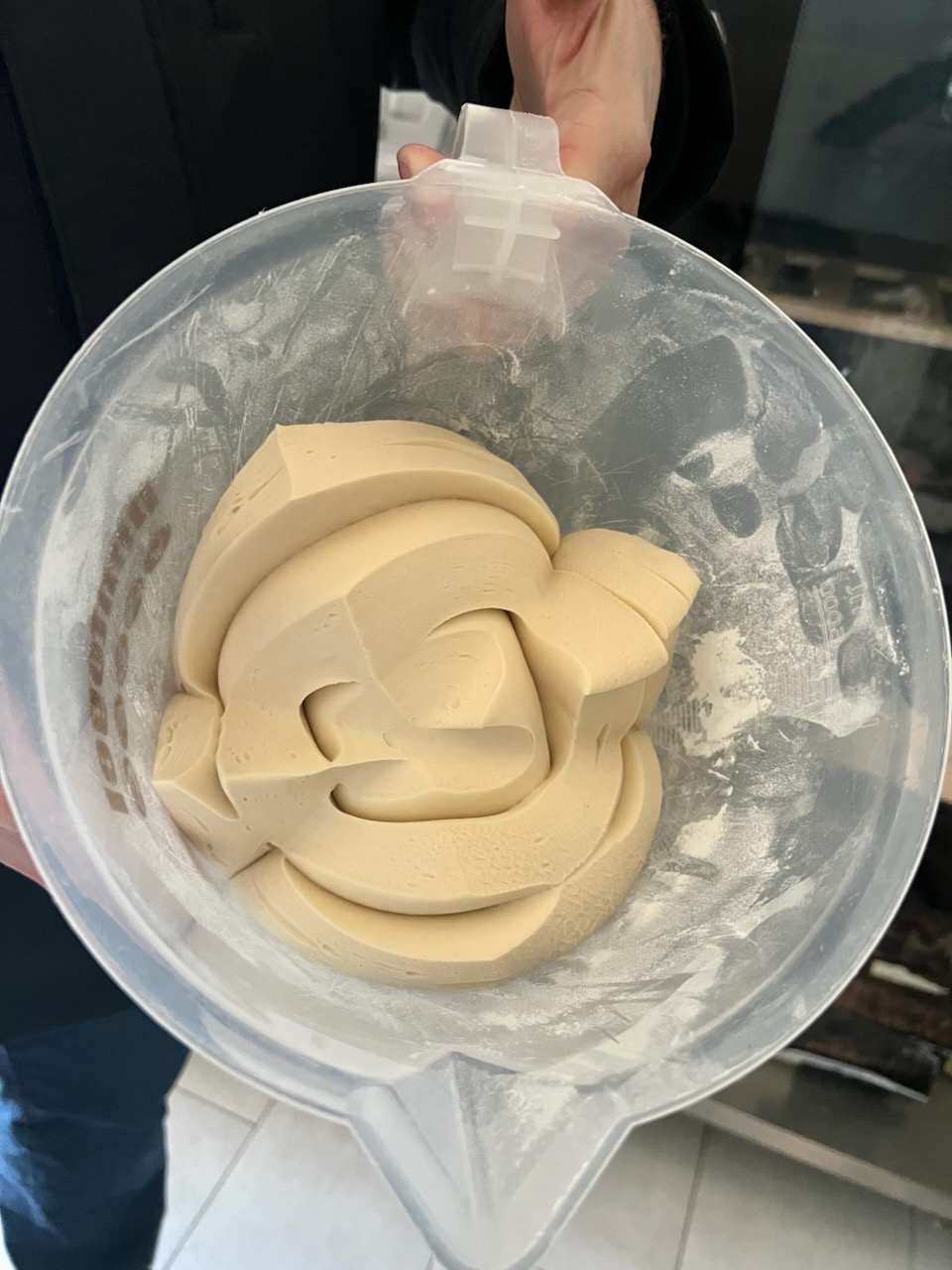
The baker must tend the lievito madre like a newborn baby through the night, coaxing it through multiple rises to achieve that cloud-like, shreddable interior.
However, most panettoni — and I’ll spare you the photos of supermarket pyramids, fourteen varieties high — are indifferent at best: dry crumb, faded aroma, fruit that tastes of little. Commercial giant Bauli alone produces around 30,000 a day at peak season. An artisanal panettone might last a month; the ones Italians tote to office parties in December are often made months earlier. Sealed in their plastic sacks and boxes, their already muted perfumes fade. Industrial shortcuts — commercial yeast, preservatives, emulsifiers, and ingredients chosen for machine friendliness rather than flavor — yield a panettone so bland that the box often ends up quietly abandoned, its contents half-eaten and forgotten.
Every year, Gambero Rosso and other publications release sprawling rankings of the country’s best panettoni after marathon blind tastings. Italians being Italians, opinions on food are absolute, and the descriptions blend into a kind of poetry: centrifuged high-fat butter, citrus candied on site, plump fruit suspended in an exuberantly aerated crumb, a fresh nose, a sumptuous aromatic palette, moistness, solubility. All true — but where to find the best ?
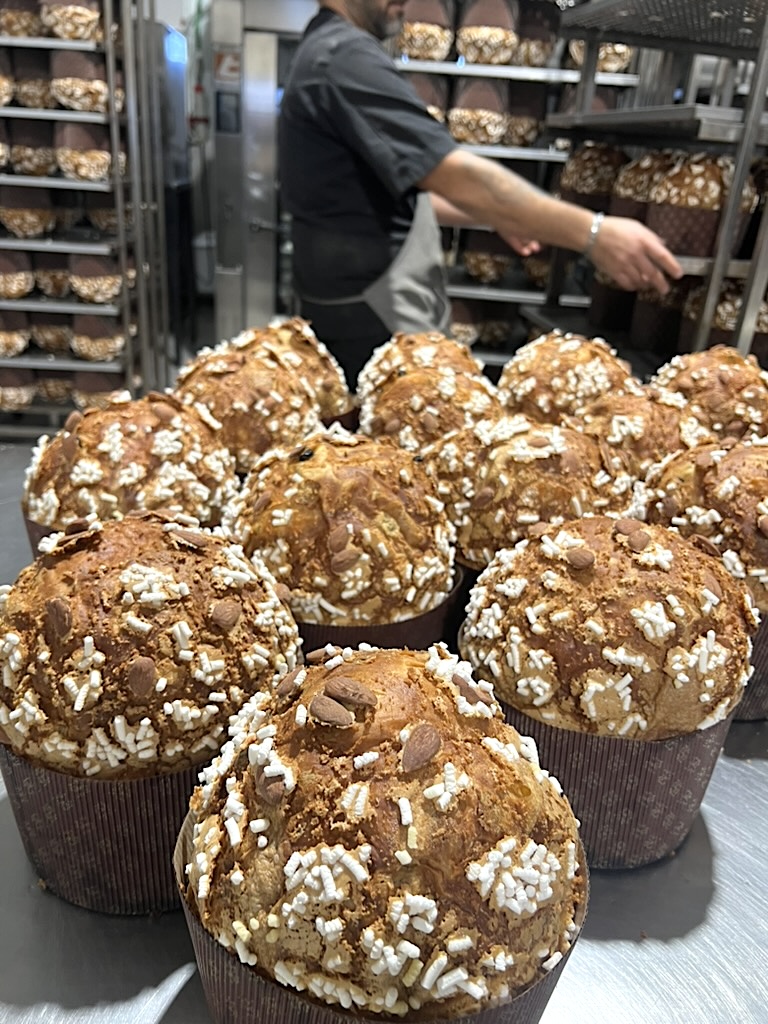
So earlier this month, I bought a handful of highly reviewed artisanal versions — both Milanese (tall, unglazed, with a cross cut on the top) and Piemontese (shorter, wider, capped with almond glaze) — each around €34–40 per kilo. They were good, some very good, but none would make me leap from bed on Christmas-morning with anticipation of that panettone for breakfast. By the first week of December, I was already panettone-weary.
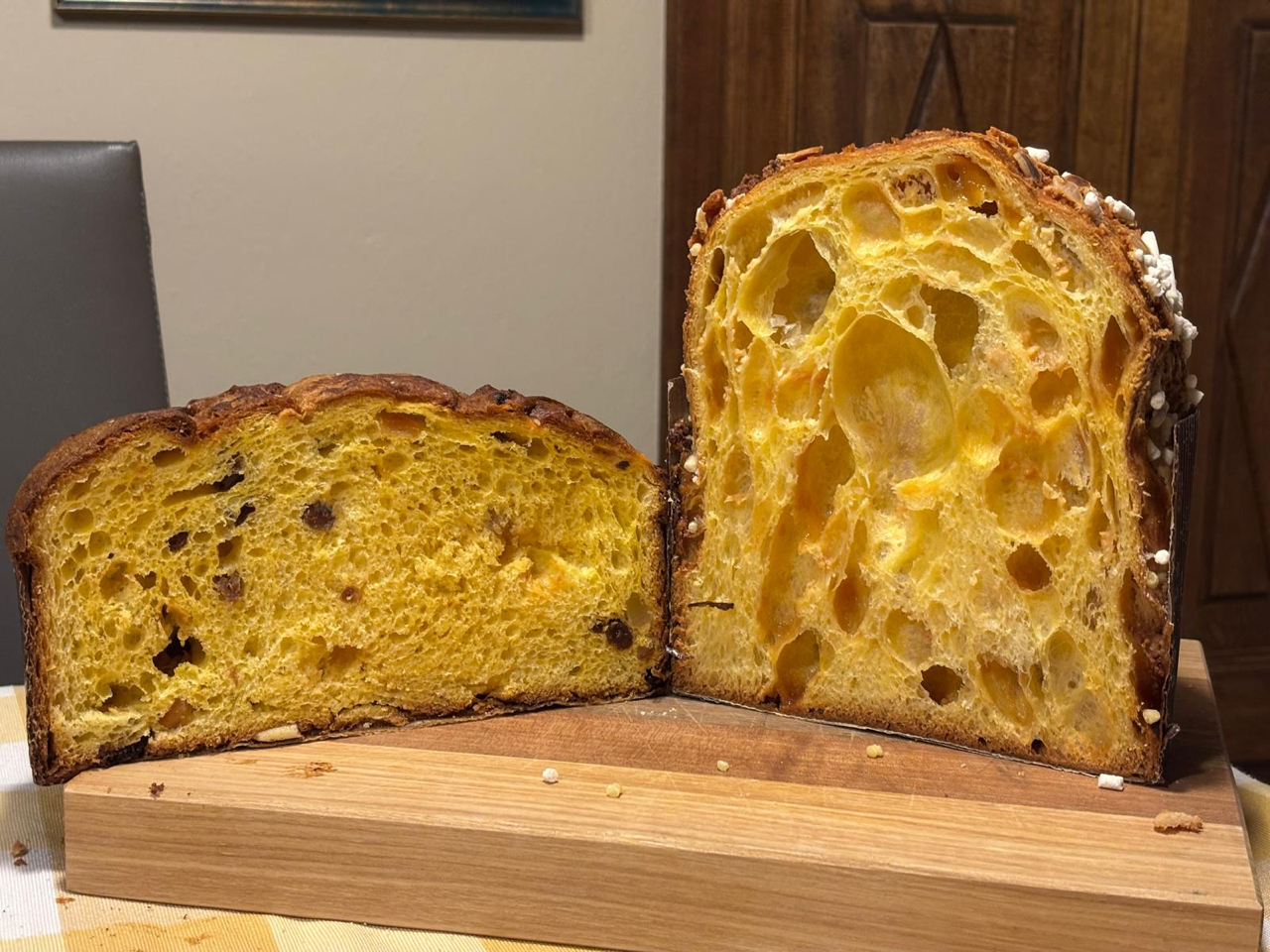
And then I went to Bergamo where my friend Alfredo introduced me to the artisans who made a panettone that he called “the Ferrari of them all — an emozione”. An emotion.
And Alfredo was right.
The texture of the panettone, made by Pasticceria Convento dei Neveri in Romano Lombardo, just east of Bergamo, is soft, with wide, irregular air pockets — the unmistakable sign of perfect, controlled leavening.
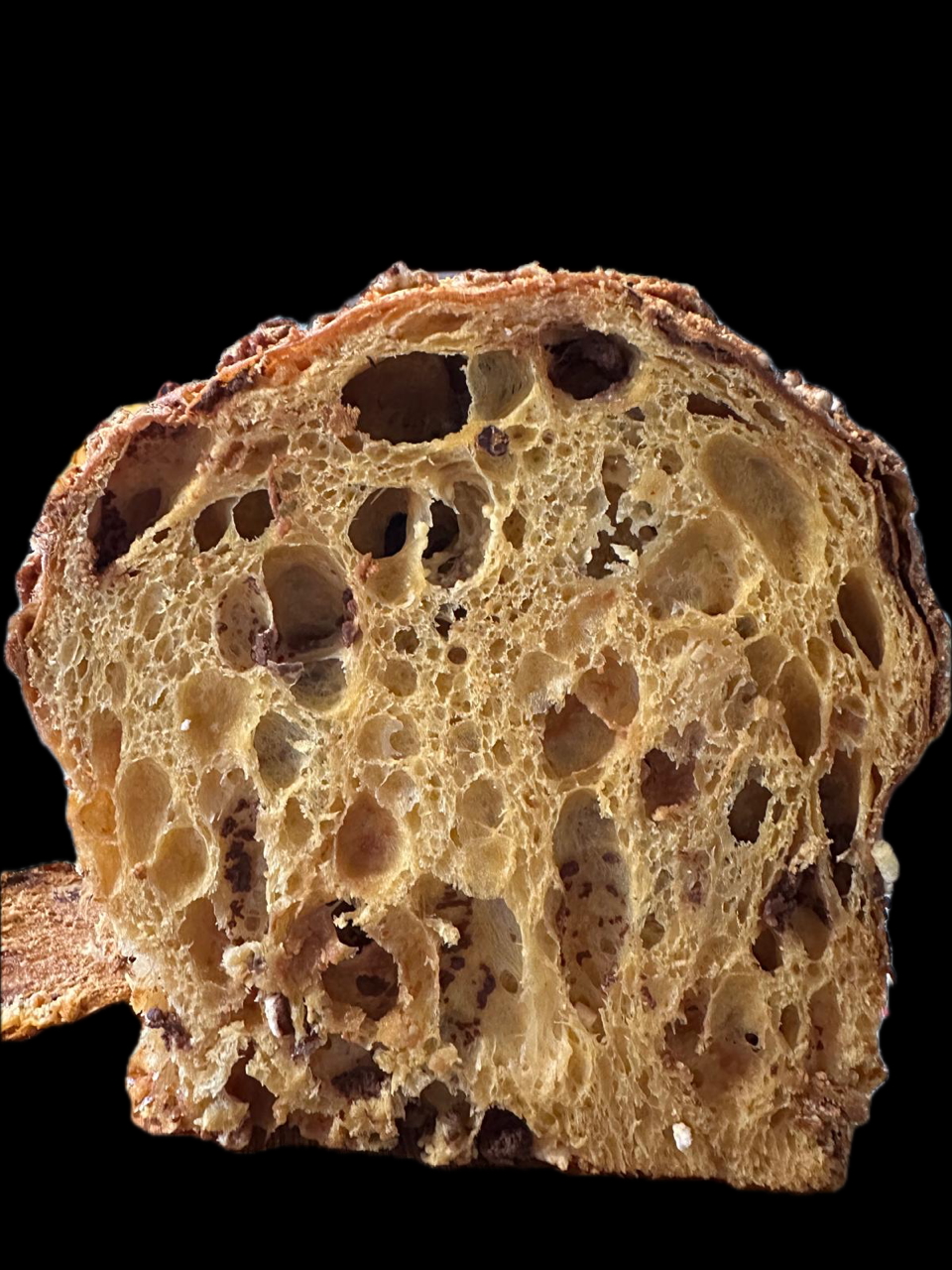
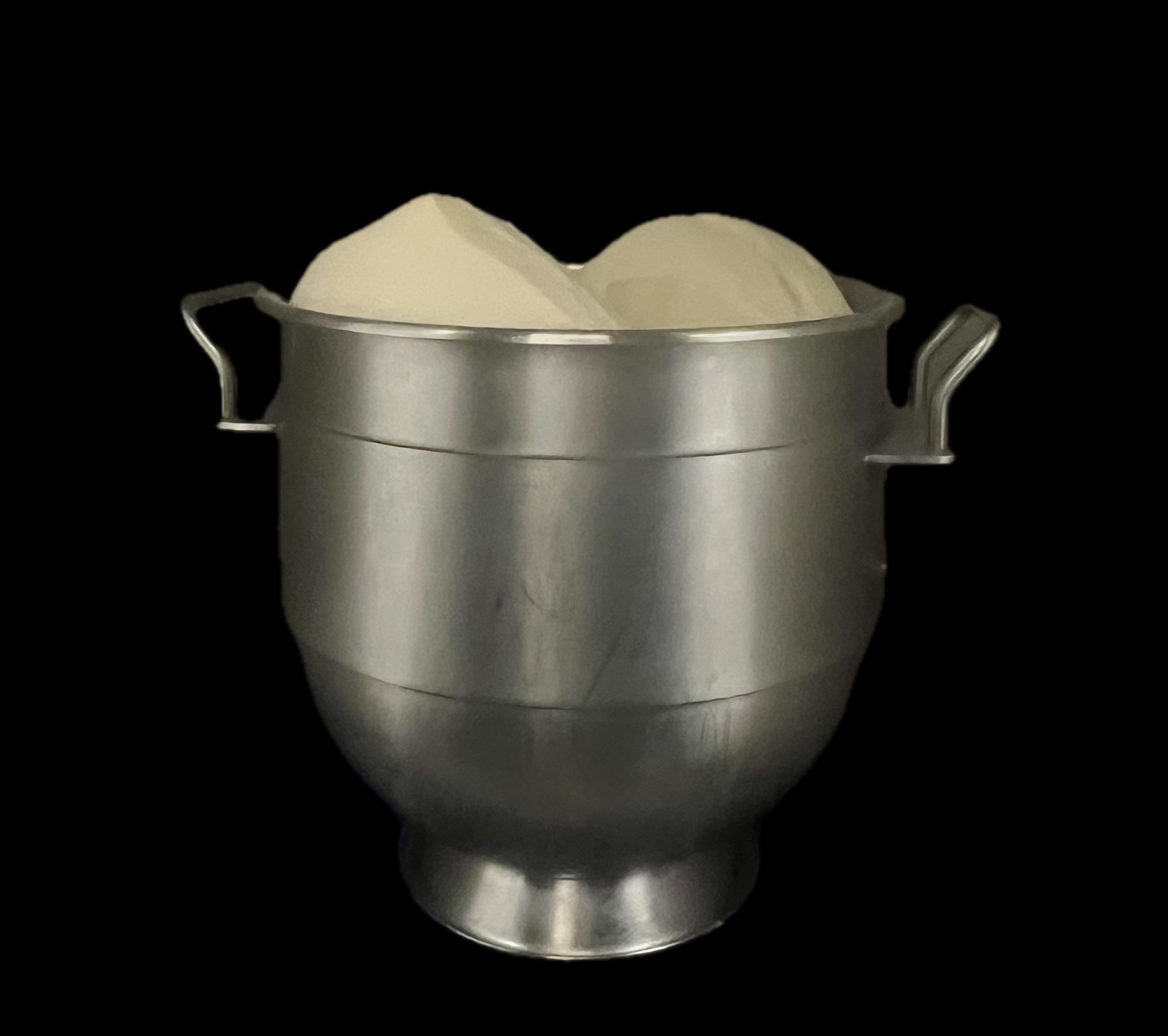
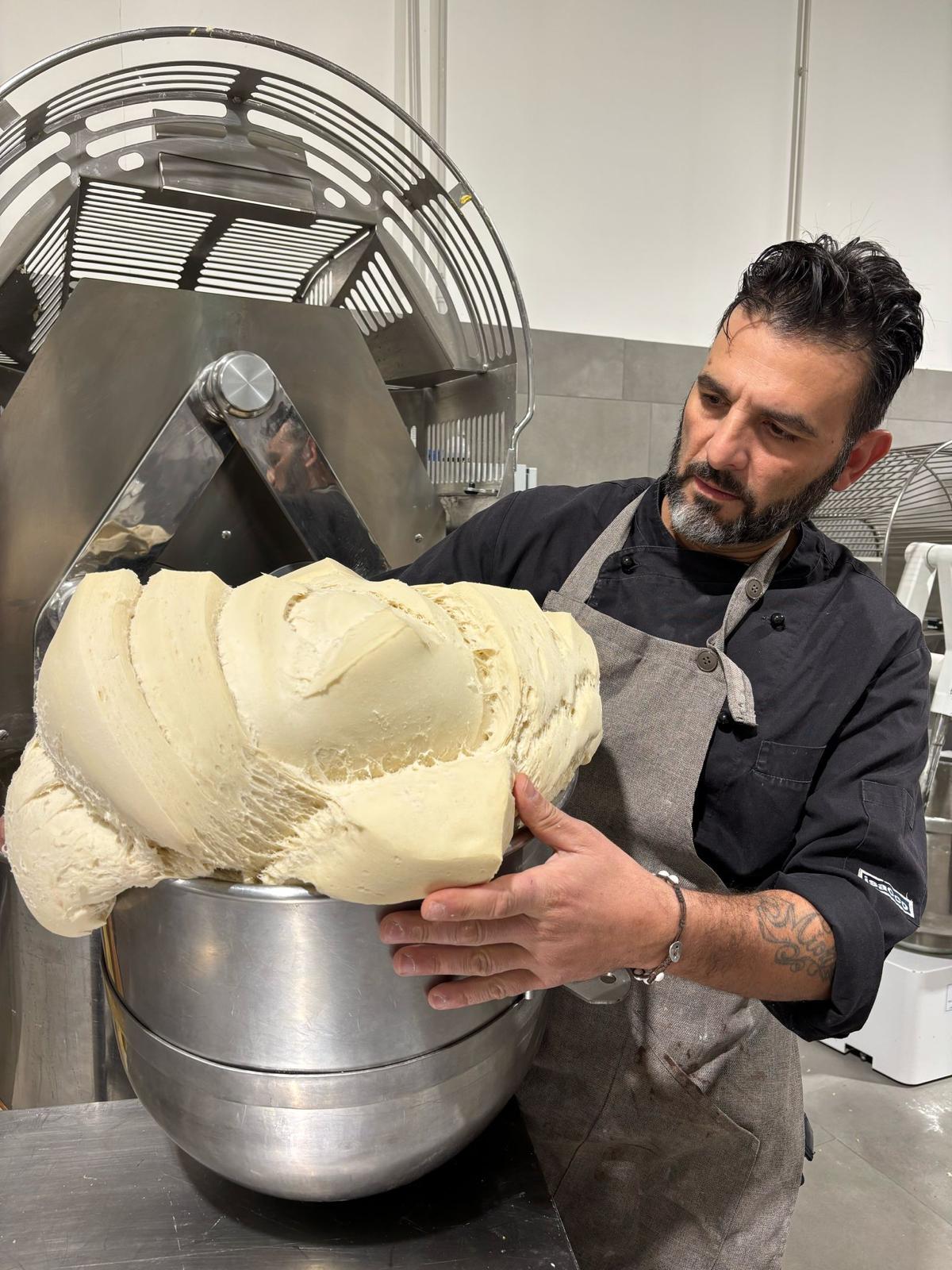
The process behind it is painstaking: the first dough, a mixture of flour, water, lievito madre, sugar, and egg yolks, rises for about eighteen hours until it triples. The second dough adds more flour, yolks, butter, sugar, and salt, along with vanilla and beautifully made candied orange, citron, and raisins. After a long, thorough knead to achieve that glossy elasticity, it rests again for nine hours, then is portioned into molds and left for its final rise.
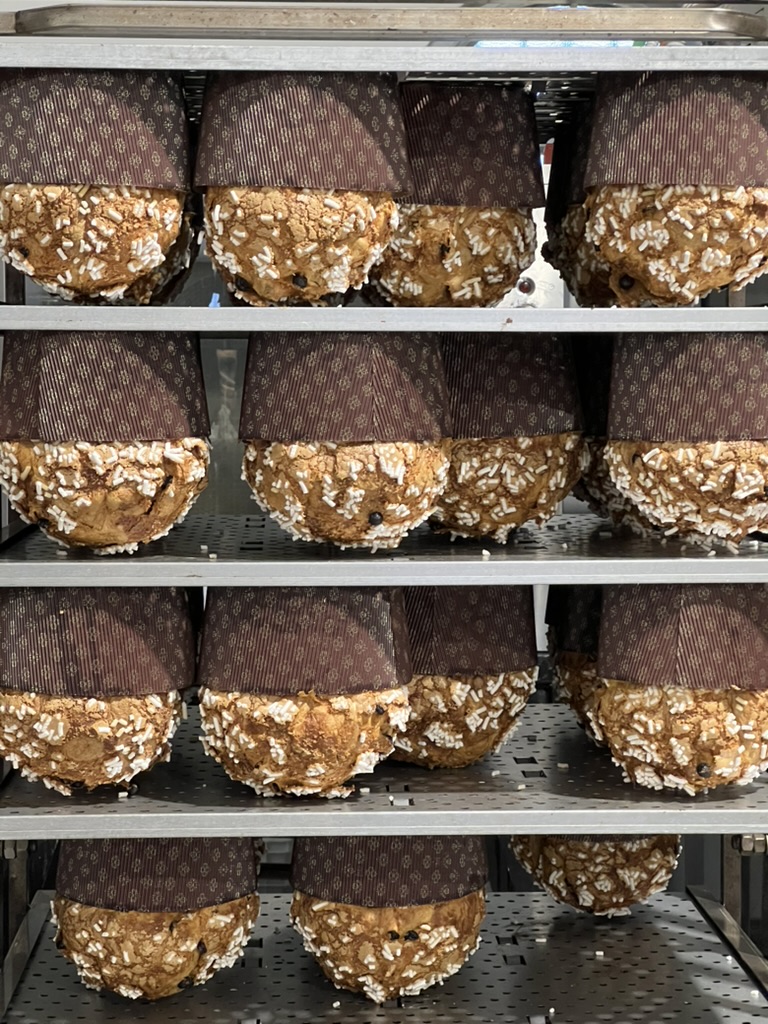
It’s baked gently at around 170°C until the center reaches 92°C, then immediately hung upside-down for twelve hours so it doesn’t collapse.
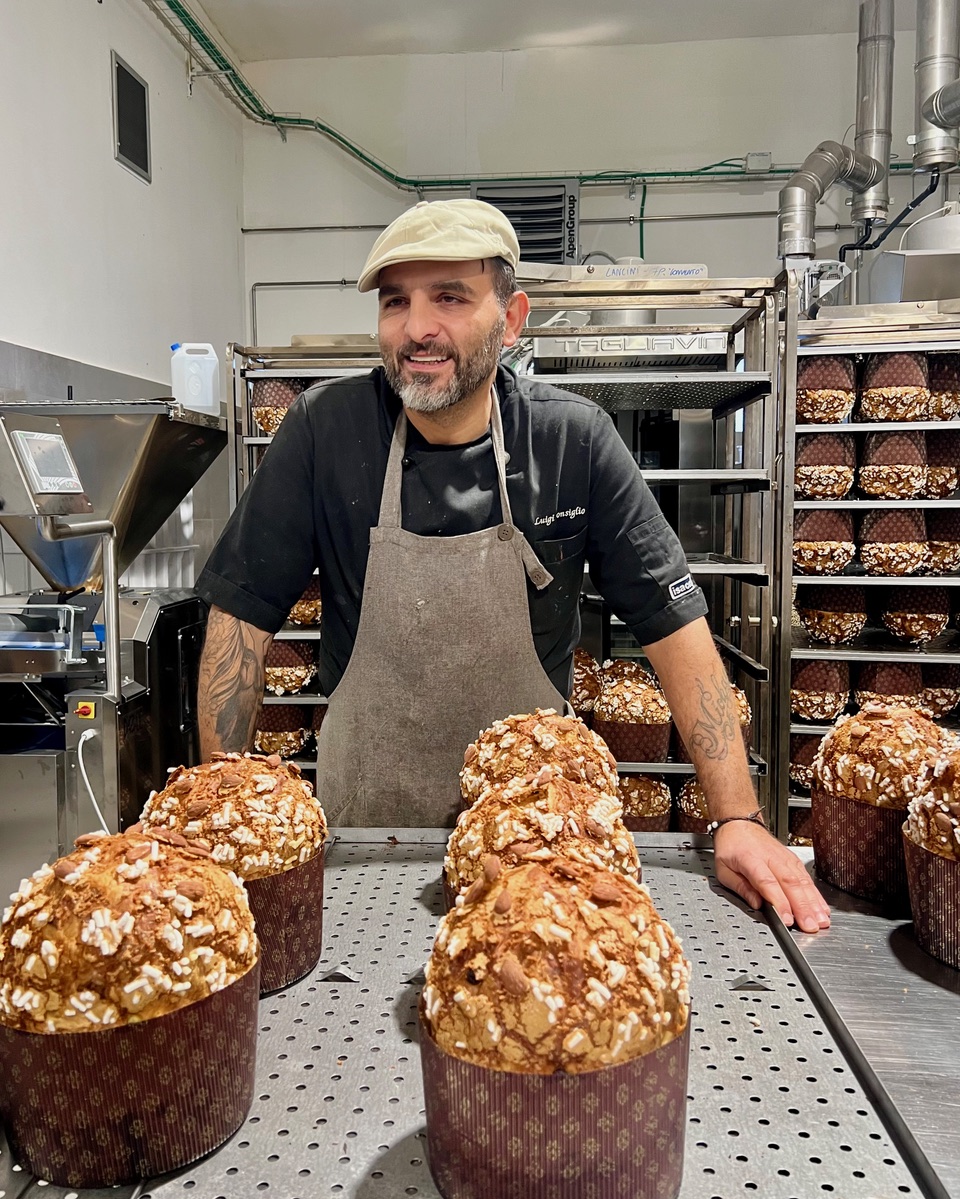
Only then is it hand wrapped. This bakery produces around 5,000 panettoni each Christmas season. Shelf life is two months, though they insist the best moment to eat one is within a week of production. Their fruit comes from Romeo — candied slowly over seven days with no additives or sulfites — and the butter is Corman, prized by pastry chefs for its pure cream flavor and consistency.
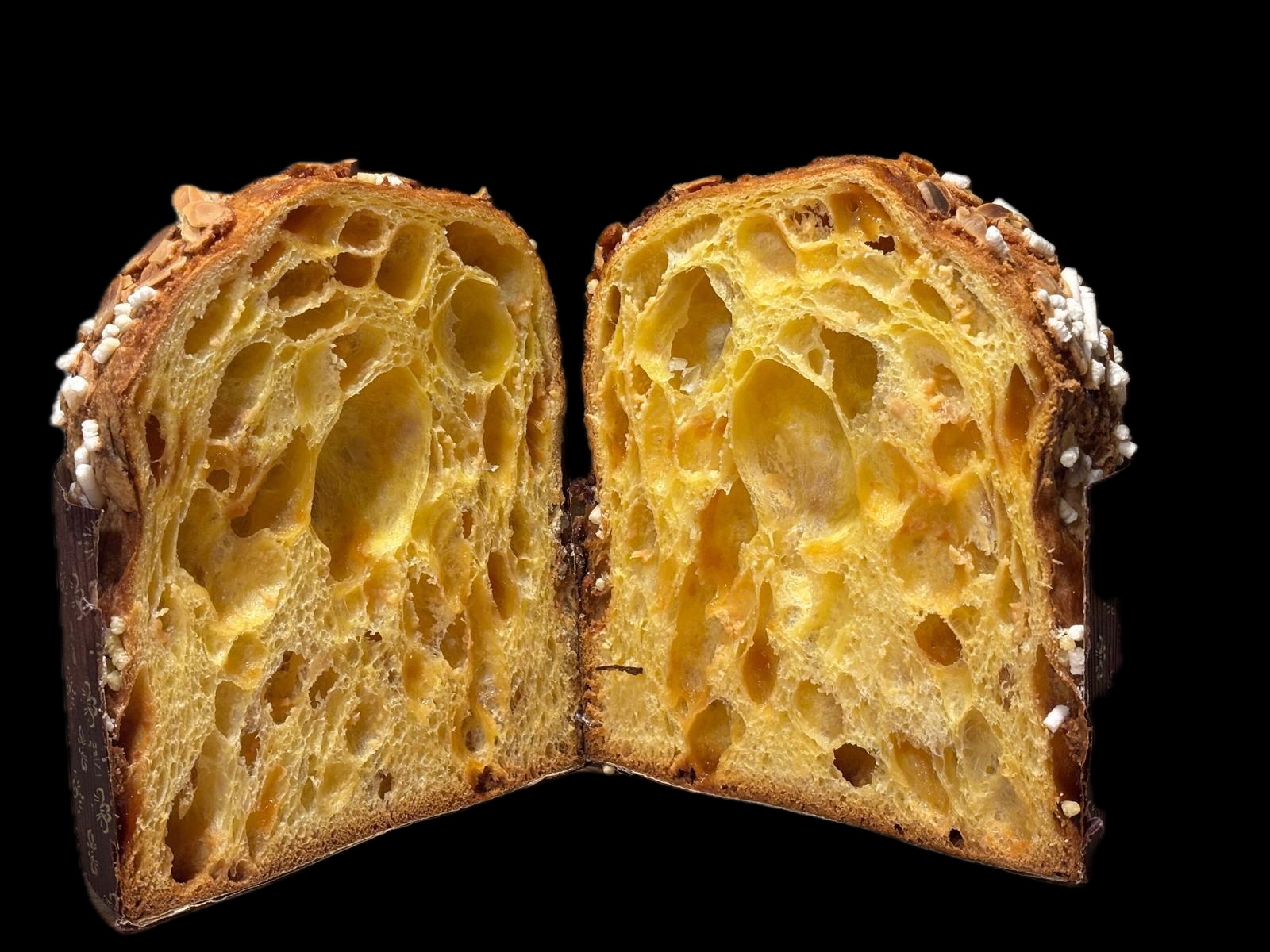
They produce the Milanese panettone and the traditional Piemontese — that one which is favored in Bergamo, and in nearly all of Italy — and have experimented with lemon with white chocolate, with gianduia, with apricot, with dark chocolate. I tried several, and loved them all, but in the end, it was the traditional one that I bought two of and carried home. And could not wait of course until Christmas but — reminding myself “best within a week of production “— opened the first one immediately. I expect to open the second one very soon too.
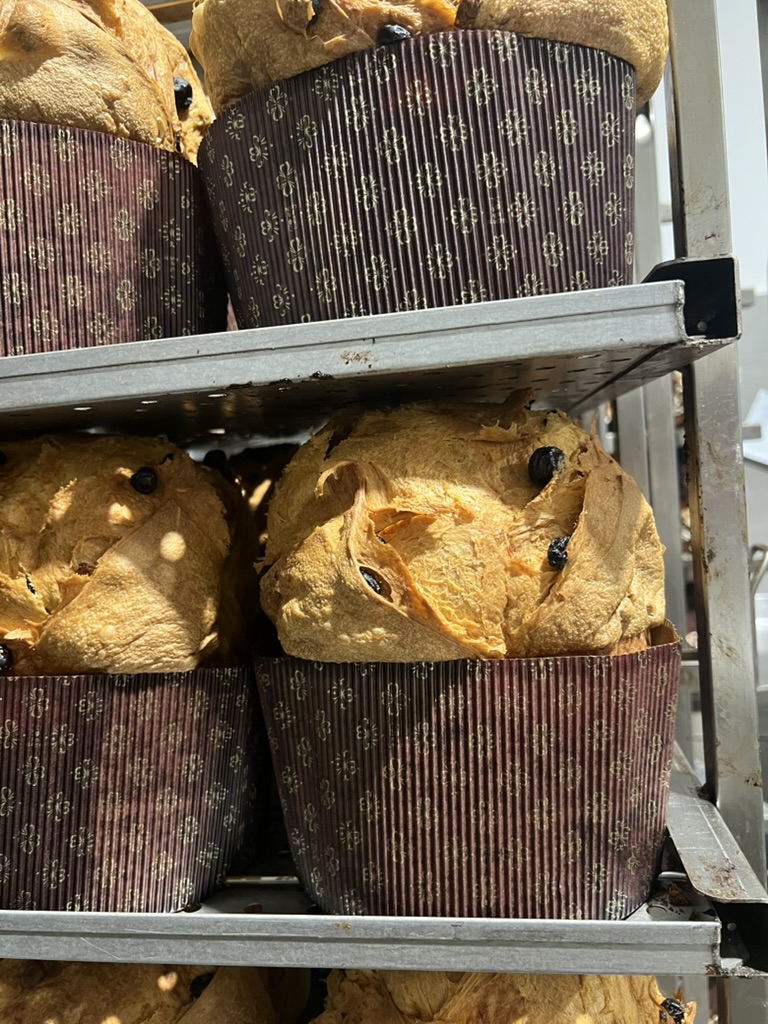
Convento dei Neveri was the panettone that delivered emozione — the panettone that revealed what the great ones are meant to be.
www.insidersitaly.com
Meet Marjorie
Insider’s Italy is an experienced family business that draws on my family’s four generations of life in Italy. I personally plan your travels. It is my great joy to share with you my family’s hundred-year-plus archive of Italian delights, discoveries and special friends.